

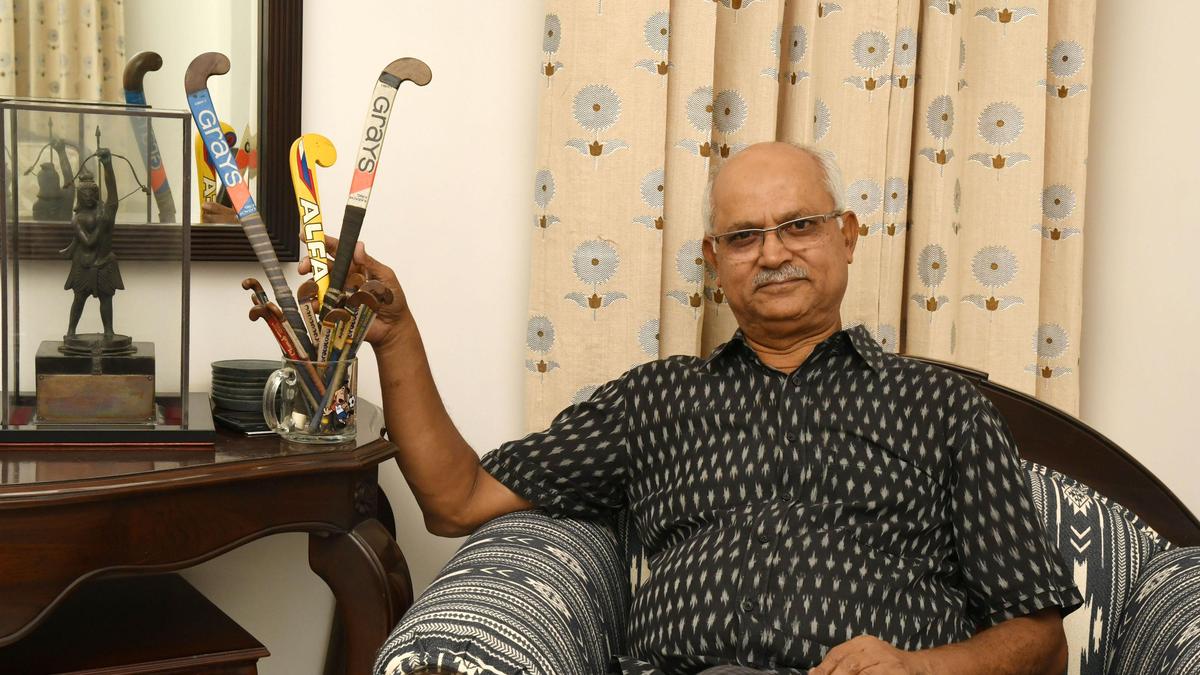
Zafar Iqbal: Hockey has connected India and Malaysia in the past, and it will continue to do so
Hockey has long been more than a sport for India and Malaysia; it has been a powerful cultural and sporting bridge that has connected our two nations for decades.
As a former captain of the Indian hockey team and an Olympic gold medallist, I have been privileged to experience this bond not from the stands, but from the field, through hard-fought matches, shared respect, and unforgettable sporting moments that strengthened ties between our peoples.
I had the honour of playing several Test matches against Malaysia as part of the Indian national team during an era when Asian hockey was at its most competitive and vibrant. Those encounters were always intense yet dignified, reflecting the deep respect both teams had for each other’s traditions and playing styles. Malaysia, with its disciplined structure and flair, consistently pushed Indian hockey to rise to higher standards.
One of my most memorable experiences was participating in the inaugural Sultan Azlan Shah International Hockey Tournament in 1983, held in Ipoh. In fact, the Sultan Azlan Shah Tournament was named in honour of the Sultan of the Malaysian state of Perak, who is considered the “Father of Malaysian hockey”, which further underlined Malaysia’s growing stature as a global hockey hub.
The Sultan Azlan Shah Tournament stands as a symbol of Malaysia’s unwavering commitment to the sport, nurturing international camaraderie while maintaining the highest competitive standards.
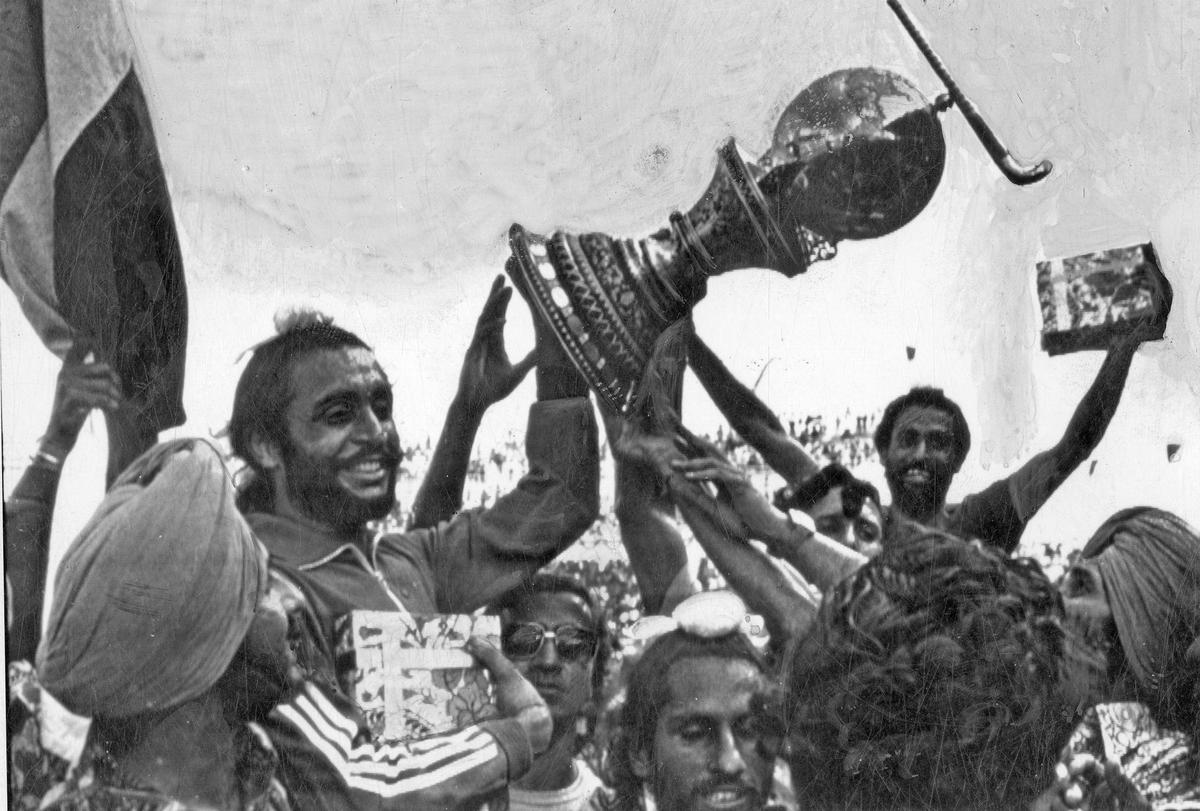
India players celebrate with the Hockey World Cup trophy after defeating Pakistan in the final in Kuala Lumpur in 1975, a landmark triumph achieved on Malaysian soil.
| Photo Credit:
THE HINDU ARCHIVES

India players celebrate with the Hockey World Cup trophy after defeating Pakistan in the final in Kuala Lumpur in 1975, a landmark triumph achieved on Malaysian soil.
| Photo Credit:
THE HINDU ARCHIVES
India’s relationship with Malaysia in hockey reached a historic high point in 1975, when the Indian team won the Hockey World Cup in Kuala Lumpur, defeating arch-rivals Pakistan in the final. That victory remains one of the greatest moments in Indian sporting history, not only because of the title, but also because it was achieved on Malaysian soil, in front of passionate and knowledgeable hockey fans. Kuala Lumpur became, for Indian hockey lovers, a city of pride and triumph.
Zafar Iqbal, poised and unhurried, the face of an era when Indian hockey wore its confidence like a badge.
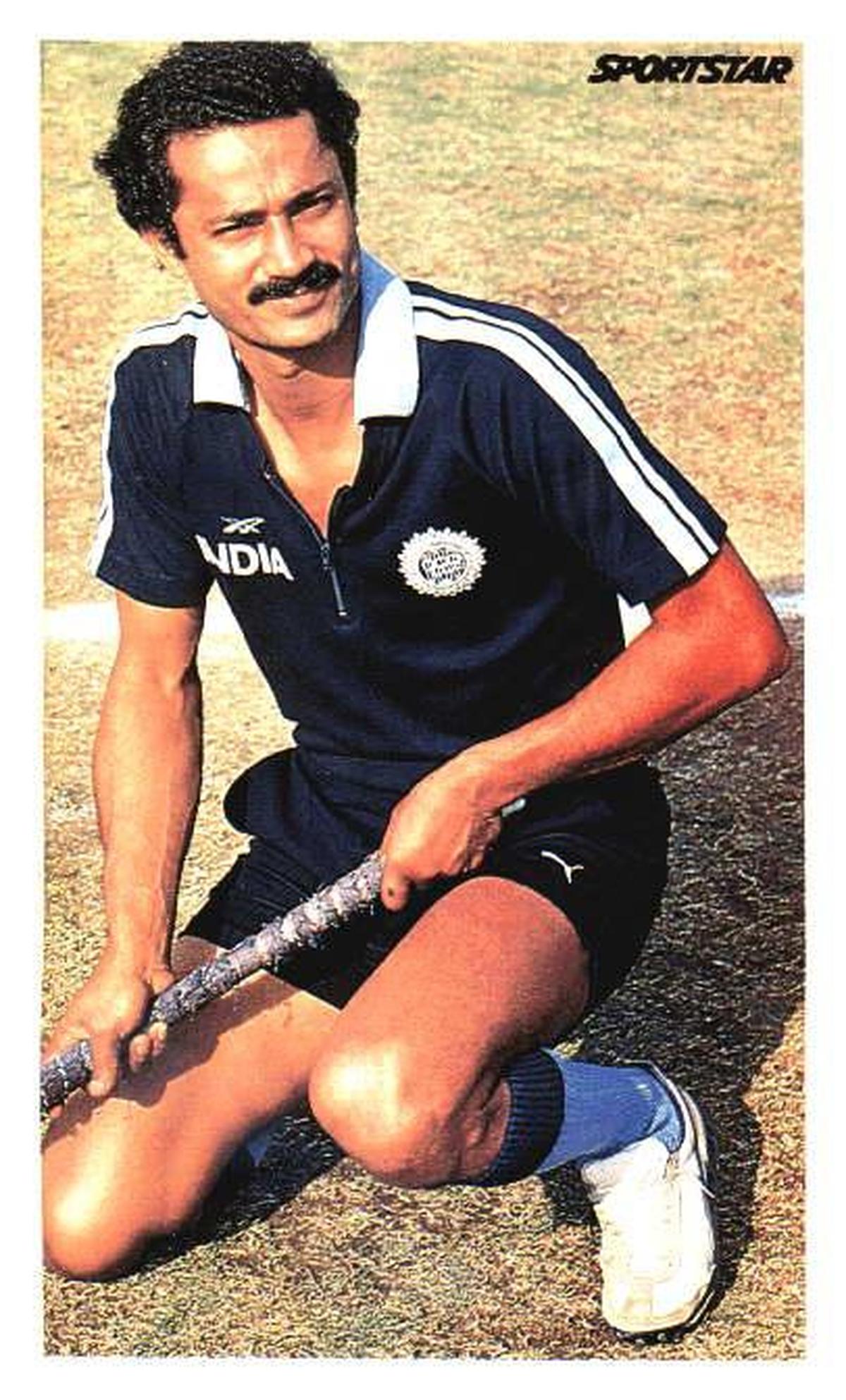
Zafar Iqbal, poised and unhurried, the face of an era when Indian hockey wore its confidence like a badge.
Over the years, India has enjoyed remarkable success at the Sultan Azlan Shah International Tournament, winning the title five times and finishing as runners-up four times. Each victory further strengthened the sporting friendship between our nations. Malaysian crowds have always shown warmth and appreciation for Indian players, regardless of the results, and this spirit of sportsmanship is something I have personally felt throughout my career.
One incident from the late 1980s remains deeply etched in my memory and reflects Malaysia’s profound respect for hockey, especially women’s hockey. During an international women’s tournament held in Delhi, the King of Malaysia, HRH Azlan Shah himself, flew from Kuala Lumpur to Delhi to watch the matches. The visit was unannounced and without prior intimation to the Indian government, yet he was graciously allowed to land, befitting his stature. Such was his personal love for the sport. He himself played hockey and remained president of Malaysian Hockey Federation from 1976 to 2004, and also served as president of Asian Hockey Federation for two terms.
One more important gesture on his part was to introduce both hockey and cricket in the Commonwealth Games held in Kuala Lumpur in 1998. Hockey had not been part of the Commonwealth Games since its inception in 1930. This extraordinary gesture spoke volumes about how deeply hockey is valued in Malaysia, not merely as a game, but as a matter of national pride and royal patronage.
Today, as Hon’ble Prime Minister Shri Narendra Modi ji visits Malaysia on February 7 and 8, 2026, these shared sporting memories acquire renewed relevance. Under his leadership, sports in India have received unprecedented encouragement. Hon’ble Prime Minister Shri Narendra Modi ji personally meets athletes to boost their morale and encourages their families to support their children in taking up sporting activities. Introducing different schemes such as “Khelo India” has revitalised grassroots sport, identified young talent, and created a structured pathway from school fields to international arenas. Hockey, our sport, has brought pride to our country by winning eight gold medals at the Olympic Games, which no other country has ever achieved.
India’s vision under Prime Minister Modi ji to host the Commonwealth Games in 2030 and the Olympic Games in 2036 reflects a confident, forward-looking nation that sees sport as a unifying force and a tool of global engagement. In this journey, partnerships with nations like Malaysia, which share a deep-rooted hockey culture, can play a vital role in knowledge exchange, training, infrastructure development, and youth engagement.
Malaysia’s consistent support for international hockey, its world-class facilities, and its experience in hosting major tournaments make it a natural partner for India in the global hockey ecosystem. Renewed co-operation between our hockey federations, increased bilateral tournaments, and joint training initiatives can further strengthen these ties.
As someone who has lived through the golden eras of Asian hockey, I firmly believe that the India–Malaysia hockey relationship is not merely a chapter of the past, but a living legacy that can inspire future generations. The fields of Kuala Lumpur, Delhi, and many other cities have witnessed history being written together, through rivalry, respect, and a shared love for the game.
Prime Minister Modi ji’s visit to Malaysia provides a timely opportunity to celebrate this legacy and to chart a future where sports diplomacy, especially through hockey, continues to bring our nations closer. Hockey has connected India and Malaysia in the past, and with vision and commitment, it will continue to do so in the years ahead.
Published on Feb 06, 2026