

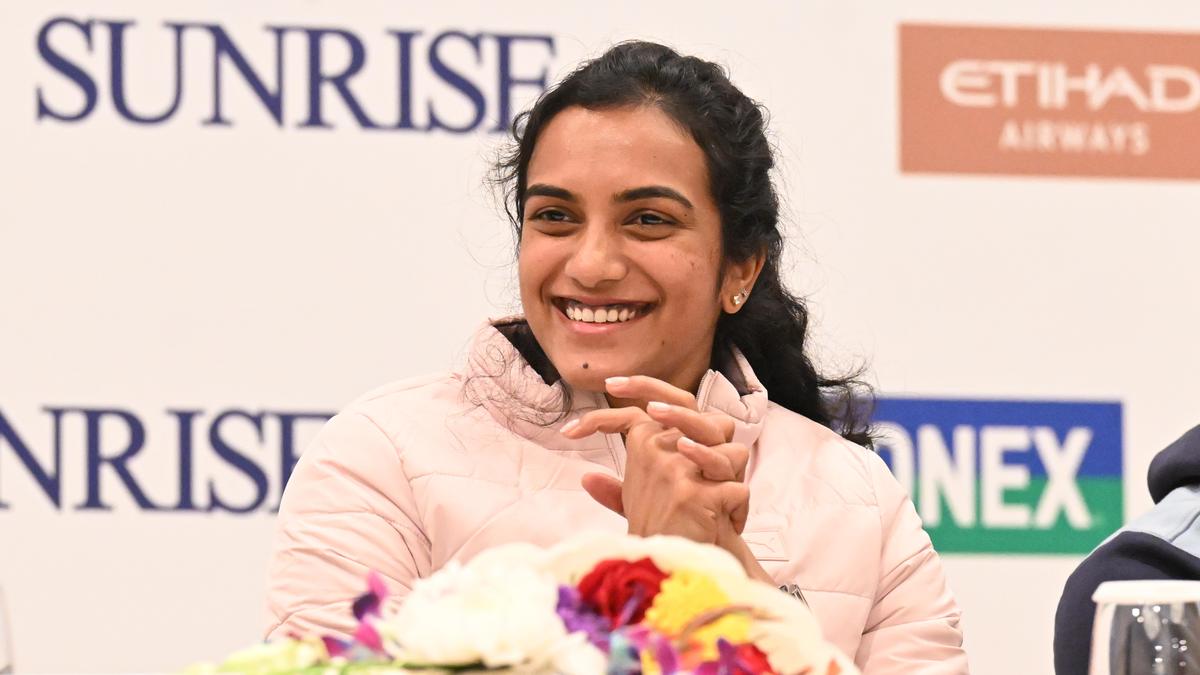
Sindhu on injury recovery: More than healing a foot, had a break mentally too
For P.V. Sindhu, the months away from competition were not just about healing a foot. They were about confronting the quieter, harder questions that surface when an athlete is forced to stop.
The two-time Olympic medallist had to withdraw from BWF tournaments from October onwards due to a foot injury.
“Mentally also I had a break because it was very important,” Sindhu told reporters ahead of the Yonex Sunrise India Open Super 750 starting on Tuesday.
“When you are injured, it also takes a toll in terms of where are you and what’s going to happen. Are you going to come back 100 percent? There are a lot of questions in your mind where you are answerable to it, like you yourself are answerable to it. It helped me to get back much more stronger and better,” Sindhu said.
The injury occurred when Sindhu fell awkwardly and rolled her foot, damaging her big toe. “There was a slight tear,” she explained.
“In badminton, footwork is everything. You need to be quick on your toes, so it was important to address it properly before coming back.
“I wanted to make sure I was completely injury-free and back to 100 percent before returning to competition. I felt that was a smarter decision than playing at 50 percent, going on court without confidence and risking things further.”
Working with Wayne Lombard and rehab at USA
During the off-season, Sindhu resumed work with strength and conditioning coach Wayne Lombard, a figure she has trusted through Olympic cycles before.
“I had worked with him earlier, before and during the Olympics, and we resumed training together around two months ago, soon after the injury. Things have been going well so far. The focus has not been on one specific area but more on overall body management and recovery. What worked five or 10 years ago does not necessarily work now,” she said.
“There are days when recovery is more important than pushing through a gym session. Understanding your body and managing it properly is crucial.”
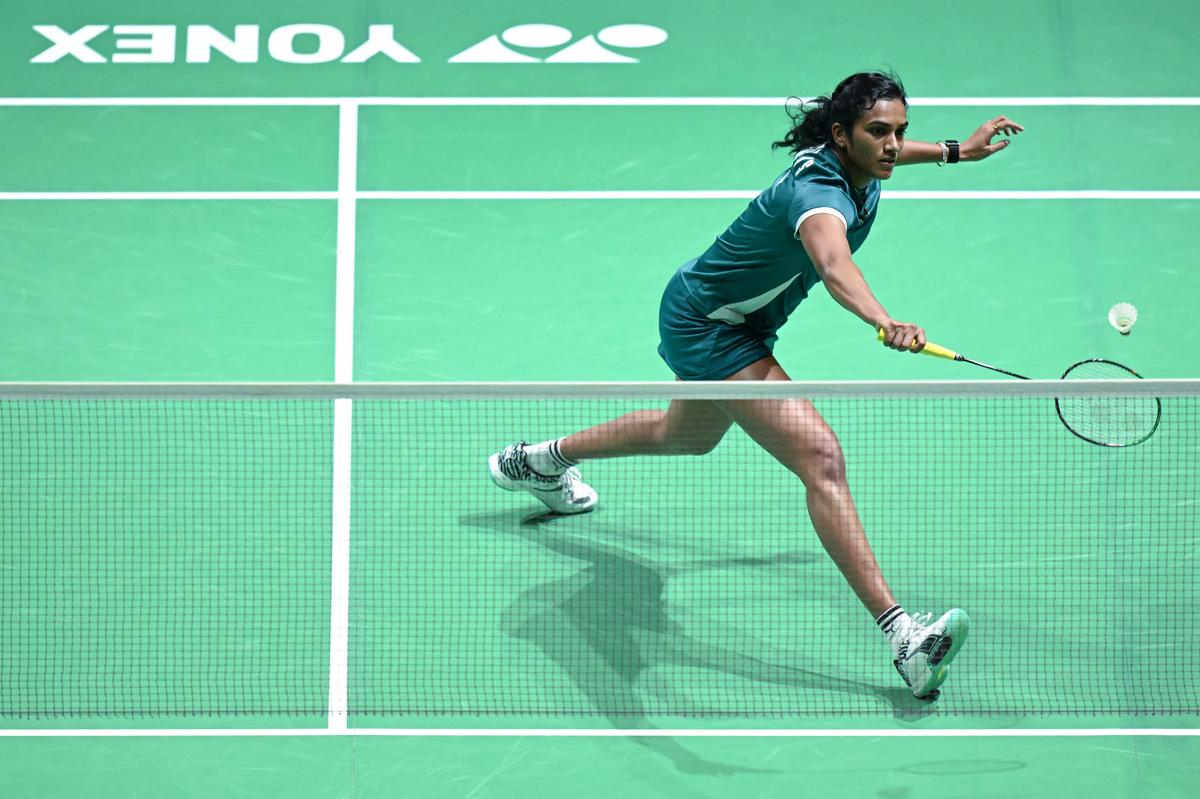
PV Sindhu reached the semifinals at the Malaysia Open, her first outing since recovering from the injury.
| Photo Credit:
AFP

PV Sindhu reached the semifinals at the Malaysia Open, her first outing since recovering from the injury.
| Photo Credit:
AFP
Sindhu said she also spent some time in Atlanta during rehabilitation. “During my time off, I went to the US. It was a mix of recovery and family time. I did my rehab there at a facility in Atlanta. I was fortunate to work with excellent trainers and physios. It was important that the break was productive, focused on rehabilitation rather than complete rest.”
Sindhu began full training only in mid-December. An initial plan to return at the Syed Modi International had to be scrapped, as she didn’t want to rush. She made a comeback at the Malaysia Open Super 1000, finishing in the semifinals.
“Malaysia was my first tournament back. I went in with the mindset of taking it one match at a time. Everything felt fine physically and it turned out to be a good run. I hope to continue with the same rhythm and confidence,” she said.
The year ahead is demanding. The World Championships on home soil in August and the Asian Games loom, bringing both opportunity and pressure. “Playing the World Championships at home will be special. There will be pressure, but it is also a great feeling to compete on home courts. The schedule this year is packed, so it is important to pick tournaments wisely and take care of the body,” Sindhu said.
Sindhu added that the women’s singles landscape has evolved tactically, demanding adaptability even from natural attackers like Sindhu. “Women’s singles has changed competitively. Defences are stronger now, rallies are longer and you need to be patient,” she said.
Sindhu said seeing peers continue at the highest level and training alongside younger players keeps her edge sharp.
“Seeing players from the same generation still competing motivates me. At the same time, I enjoy training with younger players. They bring new skills and ideas,” she said.
Athletes’ Commission role comes with responsibility
Sindhu said election as chair of the BWF Athletes’ Commission has added a layer of responsibility that extends beyond personal performance.
“Being elected chair of the Athletes’ Commission does come with added responsibility. It involves understanding what players are thinking and feeling, whether it is about practice conditions, match situations or issues like shuttle drift,” she said.
Workload management remains one of the biggest concerns raised by players, though Sindhu stresses the need for balance and objectivity.
“Workload has been a concern for players for many years and it is definitely something that needs attention. You need to listen to everyone before representing those concerns.”
Published on Jan 12, 2026