

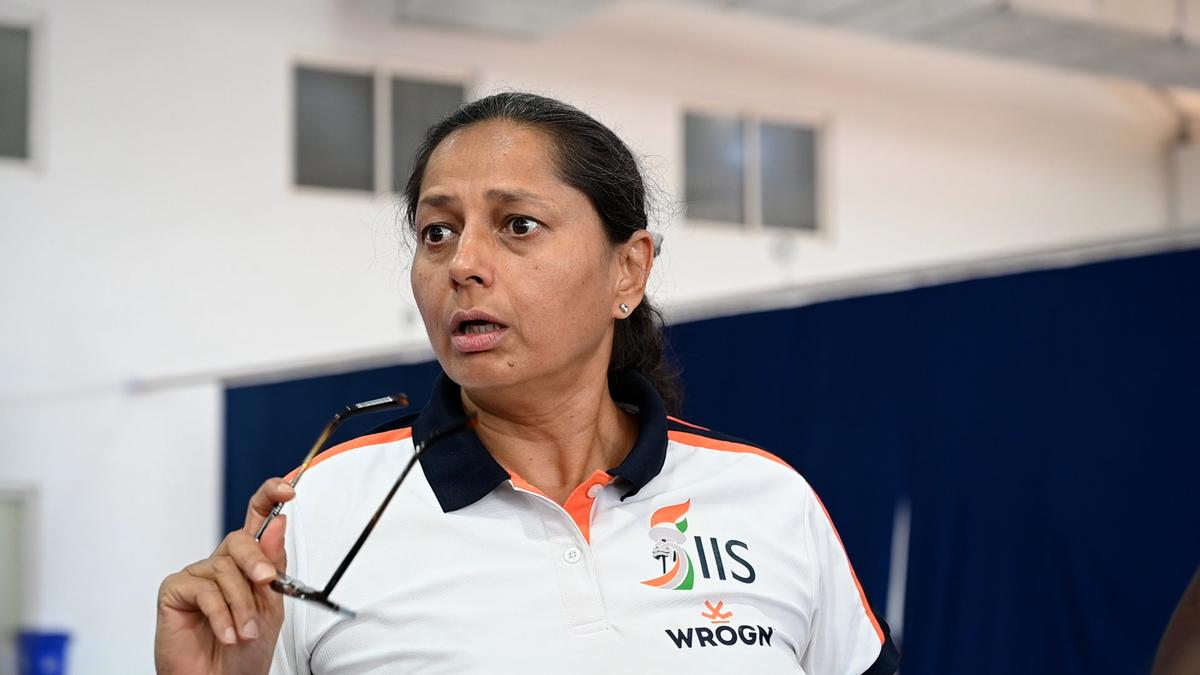
Doping is the cancer that will erode Indian sport’s progress: IIS president Manisha Malhotra
At a high-performance centre in India, the warning signs are not always found in test reports. They can sit in everyday choices: what an athlete eats, what medicine is taken, which supplement is trusted, and whether a young sportsperson feels confident enough to ask a simple question.
Indian athletics is living through that uneasy space now. At the National Senior Federation athletics meet in Ranchi, records fell and long-standing barriers were broken, the kind of performances the country should be able to celebrate without hesitation. But the sport also carries the weight of a recent history that has made trust harder to protect.
That is the deeper damage of doping. It does not only punish those who fail tests. It also places an unfair shadow over clean athletes and honest performances.
The concern has grown sharper since the Athletics Integrity Unit (AIU) moved the Athletics Federation of India (AFI) to Category A, the highest-risk bracket under World Athletics’ anti-doping rules. For a country trying to become a stronger force on the global stage, it is a warning that cannot be treated as a procedural matter.
Manisha Malhotra, president of the Inspire Institute of Sport (IIS), did not soften the danger when asked about doping during a panel discussion at the facility in Vijayanagar.
ALSO READ | Sports Ministry proposes amendments to punish organised doping syndicates with up to 10-year imprisonment
“For all the progress that we’ve made in Indian sport over the last ten years, with one fell swoop, it’s doping that’s just going to, it’s the cancer that’s just going to erode it all,” she said.
The answer carried weight because it was not delivered from a distance. Malhotra said doping had been a “learning experience” for her too, especially over the last few years, when she had seen how widespread and frightening the problem had become. IIS, she acknowledged, had not been immune to it either.
That admission placed the issue where it belongs: inside the sporting ecosystem, not outside it. Doping is not only about a banned substance or a positive sample. It is also about the culture around an athlete, particularly at a young age, when trust in coaches, seniors and support staff can easily become blind obedience.
Malhotra’s concern is that athletes are not always taught to question. If a coach gives something, it is taken. If a senior suggests a shortcut, it is trusted. If a tablet or drink is handed over, the explanation is often simple: the coach gave it.
That, she said, cannot remain the norm.
“We need to empower our athletes,” Malhotra said, adding that they must reach a point where they can question coaches, routines and instructions that affect their careers.
Education, therefore, has to move beyond the occasional lecture. At the IIS campus, posters with QR codes were visible all around, pointing athletes to information on food, medicines, rights, and safe choices. It was a small but visible reminder that clean-sport awareness has to be part of daily life, not something recalled only when a test is conducted.
ALSO READ | Charting a new course — India’s women rowers set aim at Asian Games at Inspire Institute of Sport
Malhotra was equally clear that athletes cannot carry the burden alone. Coaches and support staff must understand the responsibility that comes with influence. Punishing athletes will not solve the problem if the people and networks around them remain untouched.
The challenge is especially serious among younger athletes, where the pressure for quick results can be intense and the consequences are not always fully understood. Access is another worry. Substances and informal advice move too easily through local networks, often through people who should be protecting the athlete.
That is why India’s clean-sport fight has to be broader than bans. It needs athletes who are informed enough to question, coaches who are accountable enough to protect, and institutions that treat education as seriously as training, food and recovery.
If doping is the cancer Malhotra describes, the treatment cannot begin after a sample turns positive. It has to begin much earlier, in the dining hall, the medicine cabinet, the training ground and the conversations that shape an athlete before a test decides the future.
Published on May 24, 2026