

25 Defining Moments in World Sport in 2025: Records, Redemption and Rupture (Part 1)
From world records and long-awaited breakthroughs to first-time champions and generational talent, 2025 produced defining moments across global sport. This curated list brings together the performances, turning points, and individuals that shaped the sporting year across cricket, football, athletics, motorsport, baseball, chess, golf, and the Olympics.
Arrows of gold
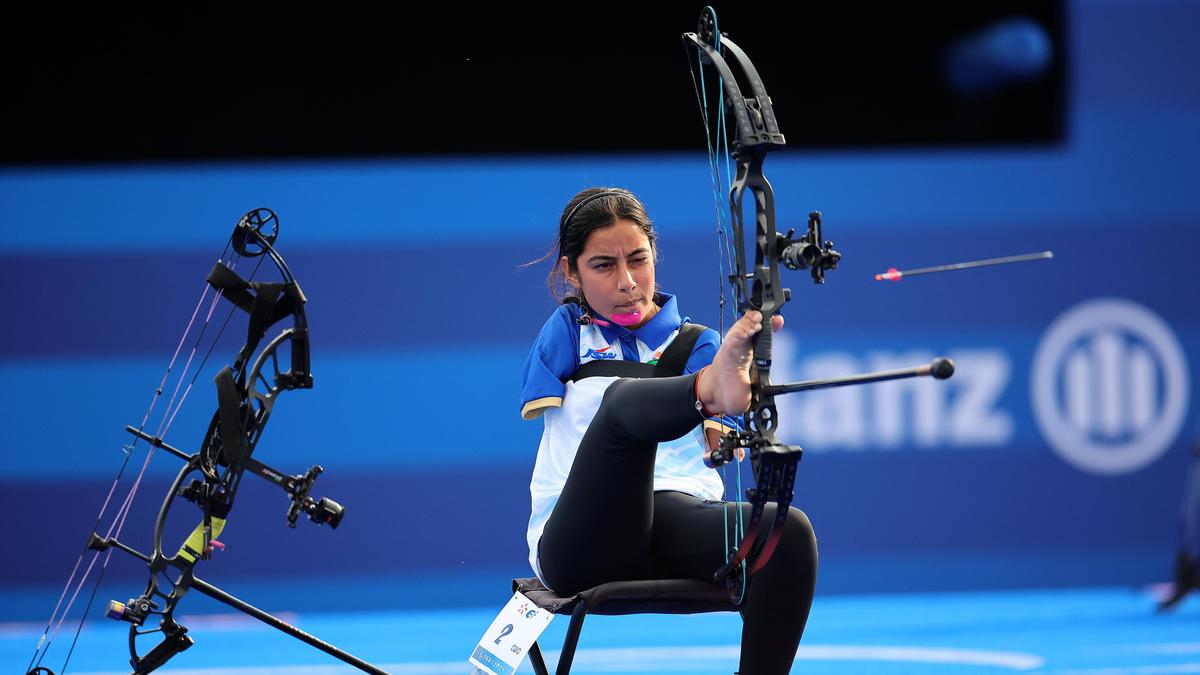
Sheetal Devi became the first woman without arms to win a gold medal at the World Archery Para Championships, defeating Turkiye’s Oznur Cure Girdi in the Women’s Compound Open final in Korea. The teenage Paralympian took the lead in the second end of the gold medal match and held her nerve to close out a 146-143 win over the three-time world champion and reigning Paris 2024 Paralympics gold medallist.
The individual final was tense, but Sheetal shot with remarkable composure. The opening end was tied at 29-all before she fired three 10s to take the second end 30-27. The third end was also shared at 29-all. Her only lapse came in the fourth, where she scored 28 as Girdi edged it by a point, though Sheetal still retained a two-point advantage at 116-114. She then sealed her maiden world title with a flawless final end, hitting three perfect arrows for 30.
The gold capped a memorable day for Sheetal, who also won silver and bronze in the team events. Her performances through the season also led to another milestone, as she became the first Indian para-archer to be selected for an able-bodied international competition after being named in the national squad for the Asia Cup in Jeddah, Saudi Arabia. Born without arms, Sheetal had long dreamt of competing alongside able-bodied archers, a goal the 18-year-old realised through persistence, precision, and belief.
Patience rewarded
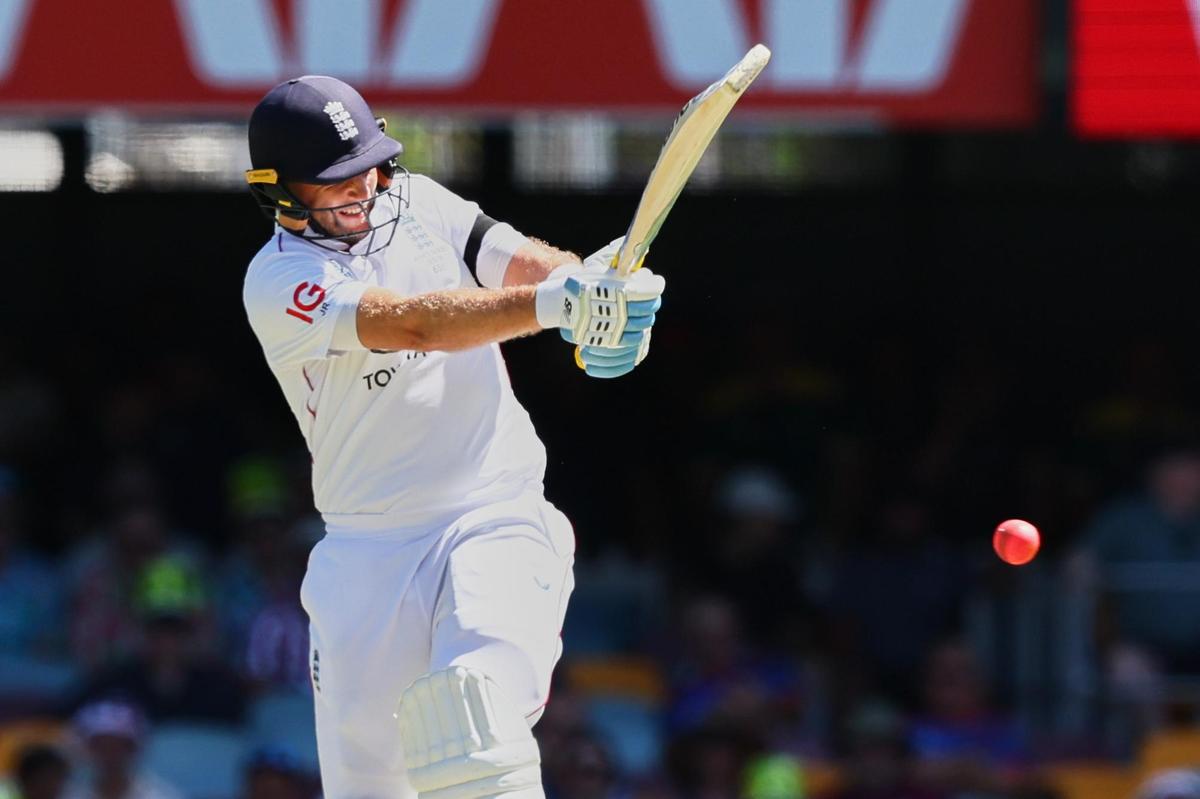
Joe Root’s long wait for an Ashes century in Australia finally ended on this tour.
| Photo Credit:
AP

Joe Root’s long wait for an Ashes century in Australia finally ended on this tour.
| Photo Credit:
AP
Joe Root’s long wait for an Ashes century in Australia finally ended with a sublime hundred in the second Test in Brisbane. After crossing fifty 29 times Down Under without converting, Root reached three figures with a delicate flick to fine leg, pausing to savour a moment that had long eluded him. His struggles in Australian conditions had fuelled criticism and earned him the unfair tag of “Average Joe”, despite his stature as one of the game’s greats. Root silenced those doubts with a masterful unbeaten 138 off 206 balls, rescuing England from 5 for 2 and steering it to a competitive 334 in the first innings. The innings also underlined his seamless adaptation to England’s aggressive ‘Bazball’ era, which has revived his output. Since the summer of 2022, Root has been the leading run-scorer in Test cricket, amassing over 4,000 runs at an average north of 53. His resurgence has placed him within touching distance of Sachin Tendulkar’s all-time Test run record.
At full tilt
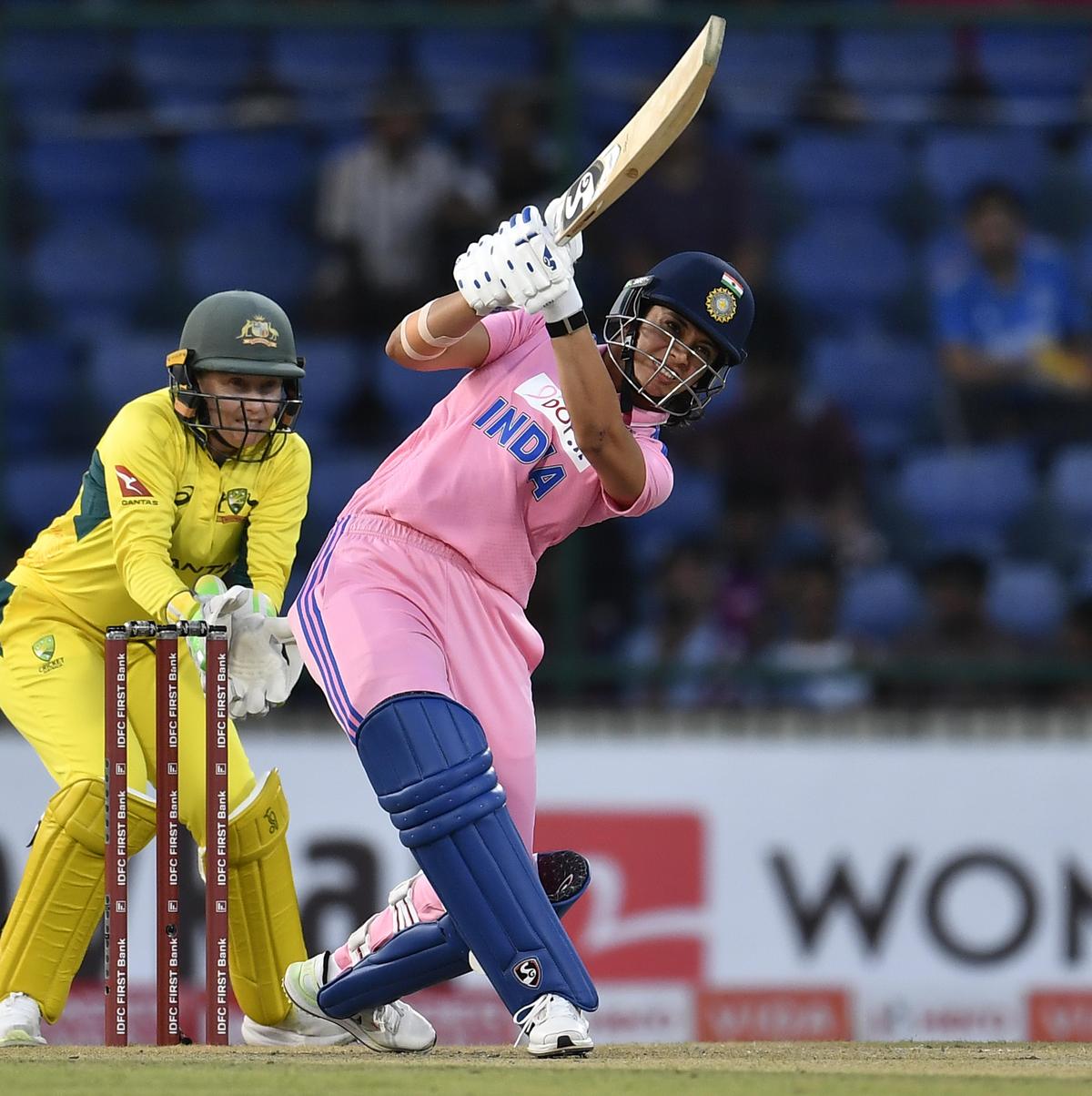
Smriti Mandhana had a hugely productive year with the bat.
| Photo Credit:
SHIV KUMAR PUSHPAKAR
Smriti Mandhana had a hugely productive year with the bat.
| Photo Credit:
SHIV KUMAR PUSHPAKAR
Smriti Mandhana etched her name deeper into the record books with a blistering 50-ball century against Australia in the third ODI in New Delhi. The southpaw’s hundred was the fastest by an Indian, surpassing Virat Kohli’s 52-ball effort, and second only to Meg Lanning’s 45-ball ton in women’s ODI history. Remarkably, the three fastest ODI centuries by an Indian woman now all belong to Mandhana, who also owns 70-ball and 77-ball hundreds. Her 125 off 63 balls came on a run-fest in the capital, with India responding to Australia’s imposing 412 with a spirited 369, aided by fifties from Harmanpreet Kaur and Deepti Sharma. The match set a new record for the highest aggregate in a Women’s ODI, with 781 runs and a staggering 111 boundaries. Mandhana struck 17 fours and five sixes and recorded the second-highest strike rate for a women’s ODI hundred. Her series scores of 58, 117 and 125 fetched her 343 runs, the most ever in a three-match women’s ODI series.
Keeper of courage
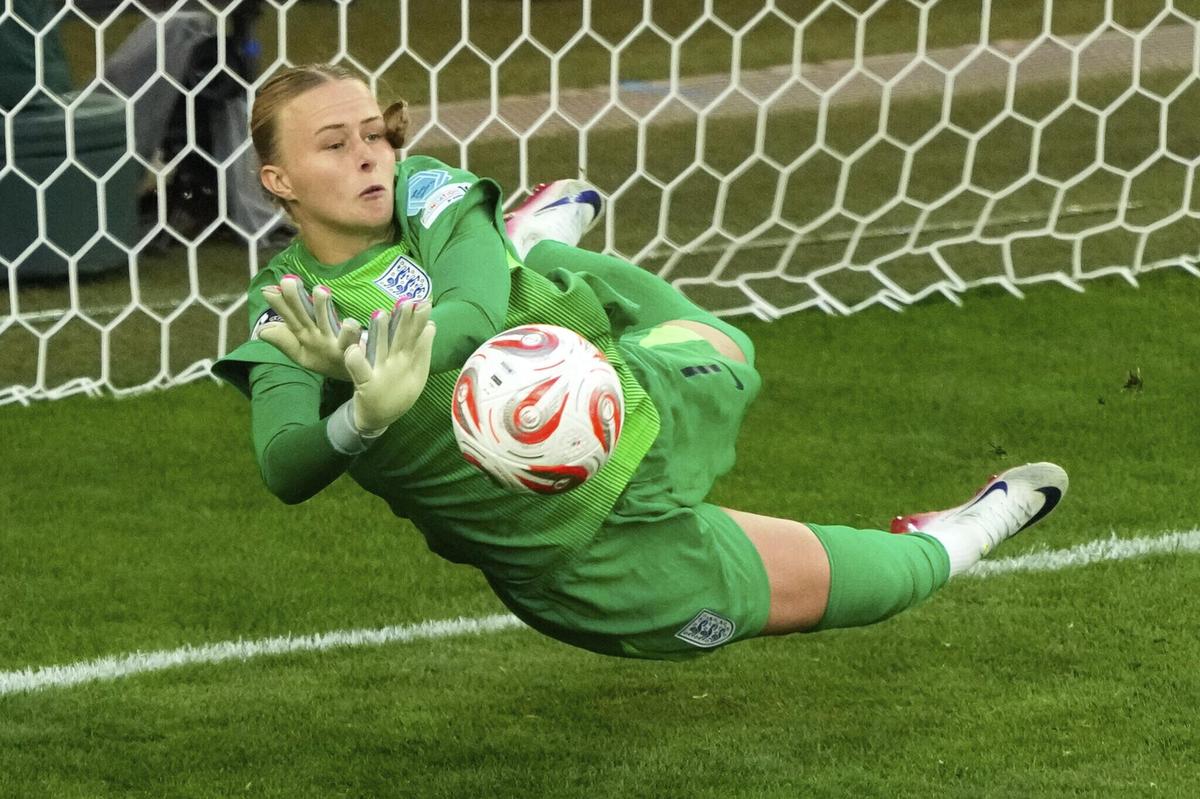
England’s Hannah Hampton saves Aitana Bonmatí’s penalty in the Euro 2025 final against Spain at St. Jakob-Park, Basel.
| Photo Credit:
AP
England’s Hannah Hampton saves Aitana Bonmatí’s penalty in the Euro 2025 final against Spain at St. Jakob-Park, Basel.
| Photo Credit:
AP
Hannah Hampton was on the bench when England lifted its first major trophy at the Women’s European Championship on home soil in 2022. In the months that followed, she found herself frozen out of the squad, amid allegations of disruptive behaviour, claims that were later attributed to comments made by senior goalkeeper Mary Earps.
The fallout lingered. England’s build-up to its title defence in Switzerland was overshadowed by Sarina Wiegman’s bold decision to elevate Hampton to first choice ahead of Earps. The move prompted Earps to announce her international retirement on the eve of the tournament, leaving England with Hampton as the only capped goalkeeper in the squad and placing unprecedented responsibility on her shoulders.
Hampton responded in the only currency that truly settles elite sport. In the final, she delivered one of the most decisive penalty shootout performances in tournament history, saving spot-kicks from Mariona Caldentey and Aitana Bonmatí to swing the title England’s way.
Wiegman described it as a fairytale moment, but it was also a triumph of resolve. “She had to step up, and I think she has been amazing,” the England coach said. “To stop those two penalties in the final is extraordinary.”
Hampton later revealed another detail that endeared her to supporters. She had deliberately thrown Spanish goalkeeper Cata Coll’s water bottle, containing notes on England’s penalty takers, into the stands before the shootout.
Once labelled disruptive, Hampton had instead been decisive. In this case, instinct, nerve, and a willingness to own the moment carried England to back-to-back European titles.
From the brink
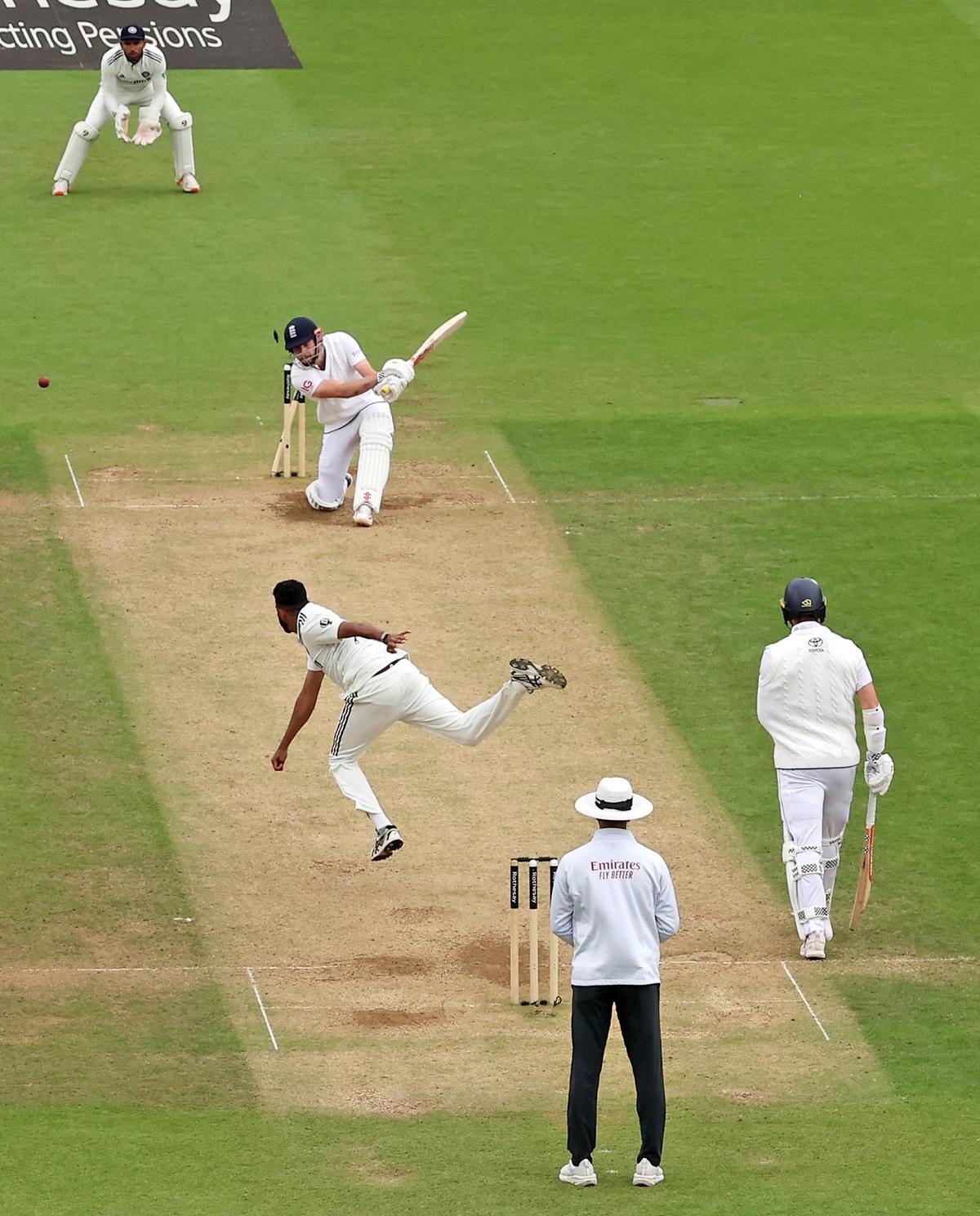
Mohammed Siraj was instrumental in India drawing level in a hotly contested five-match series in England.
| Photo Credit:
Getty Images
Mohammed Siraj was instrumental in India drawing level in a hotly contested five-match series in England.
| Photo Credit:
Getty Images
India has endured a lean year in Test cricket, but the fifth morning at The Oval delivered a reminder of why the format still produces its sharpest theatre.
England, chasing 374, had batted with authority to put itself firmly in control. Late strikes on the fourth evening, however, transformed a routine pursuit into a nervy finish. On the final morning, England needed 35 runs. India needed four wickets and had to do so without Jasprit Bumrah. There was already a sense of lingering grievance. India had fallen 23 runs short at Lord’s, and in this Test, Harry Brook had survived on 19 after Mohammed Siraj caught him on the fine leg boundary, but inadvertently stepped over the rope. The stage was set, not for redemption by sentiment, but for execution with the old ball.
With reverse swing finally on offer, Siraj struck first, removing Jamie Smith and Jamie Overton with full, attacking lengths. Prasidh Krishna chipped in by knocking over Josh Tongue, leaving England suddenly reliant on Gus Atkinson and a clearly limited Chris Woakes.
England’s recent history of improbable chases meant the threat lingered. Atkinson dragged it within seven runs, refusing to let the moment slip quietly.
Siraj ended it decisively. A full delivery tailed in, beat Atkinson, and uprooted the off stump. India had stolen victory from the brink, sealing a tense win and squaring the series 2–2.
An outlier

File picture: Shohei Ohtani put together the greatest two-way performance in MLB playoff history as the defending champion Los Angeles Dodgers completed a sweep of the top-seeded Milwaukee Brewers in Game 4 of the National League Championship Series.
| Photo Credit:
AP
File picture: Shohei Ohtani put together the greatest two-way performance in MLB playoff history as the defending champion Los Angeles Dodgers completed a sweep of the top-seeded Milwaukee Brewers in Game 4 of the National League Championship Series.
| Photo Credit:
AP
Baseball thrives on specialisation. Pitchers rarely hit, and hitters almost never pitch. Then came Shohei Ohtani.
The Japanese superstar has redefined what a two-way player can be, influencing games with both bat and ball. On October 17, playing for the Los Angeles Dodgers, Ohtani delivered a performance that stretched the limits of precedent.
In Game 4 of the National League Championship Series against the Milwaukee Brewers, he smashed three home runs in the first, fourth and seventh innings, with one clearing the stadium entirely. He became the first pitcher ever to hit three home runs in a postseason game.
As if that were not enough, Ohtani also pitched six scoreless innings, striking out 10 batters.
Before that night, 503 players in professional baseball had hit three home runs in a game, and 1,550 had recorded double-digit strikeouts. Those feats had never intersected. Until Ohtani.
The display was swiftly hailed as one of the greatest individual performances in the sport’s history. Dodgers manager Dave Roberts did not hedge.
“That was probably the greatest postseason performance of all time,” Roberts said. “There’s a reason he’s the greatest player on the planet.”
By the barest of margins
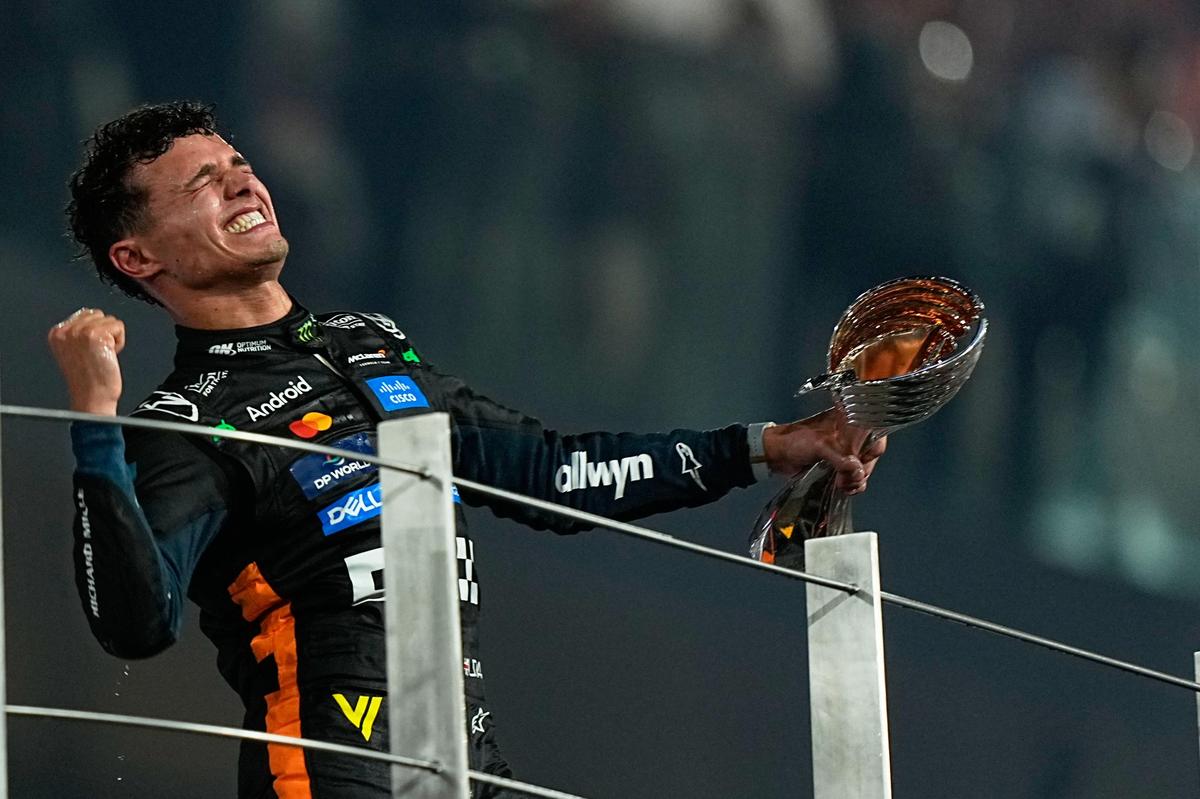
Lando Norris won the 2025 drivers’ championship by two points from Max Verstappen.
| Photo Credit:
AP
Lando Norris won the 2025 drivers’ championship by two points from Max Verstappen.
| Photo Credit:
AP
Lando Norris was crowned the 2025 Formula One world champion during the final weekend of the season at the Yas Marina Circuit in Abu Dhabi.
The British driver successfully defended his 12-point lead over closest challengers Max Verstappen and Oscar Piastri, clinching his maiden drivers’ title by two points. Norris, who needed a podium finish to secure the championship, started second on the grid behind defending champion Verstappen.
His McLaren teammate Piastri overtook him early, leaving Norris to defend third place amid pressure from faster cars behind. While he fended off several challenges, his most demanding phase came after his pit stop, when he rejoined the race behind midfield runners on alternate strategies.
The 26-year-old responded with composure and precision, picking off rivals one by one and denying them any chance to counterattack. At one stage, he executed two overtakes in a single corner before encountering his stiffest resistance in Yuki Tsunoda, Verstappen’s Red Bull teammate.
Tasked with making Norris’ progress as difficult as possible, Tsunoda drove aggressively, pushing track limits in a tense battle. Both drivers were investigated by the stewards, who ultimately ruled Tsunoda at fault, sparing Norris any penalty.
When the chequered flag fell, Norris crossed the line in third place to seal the championship and etch his name into the sport’s history as Formula One’s 35th world champion. Verstappen won the race, with Piastri finishing second.
Time bent
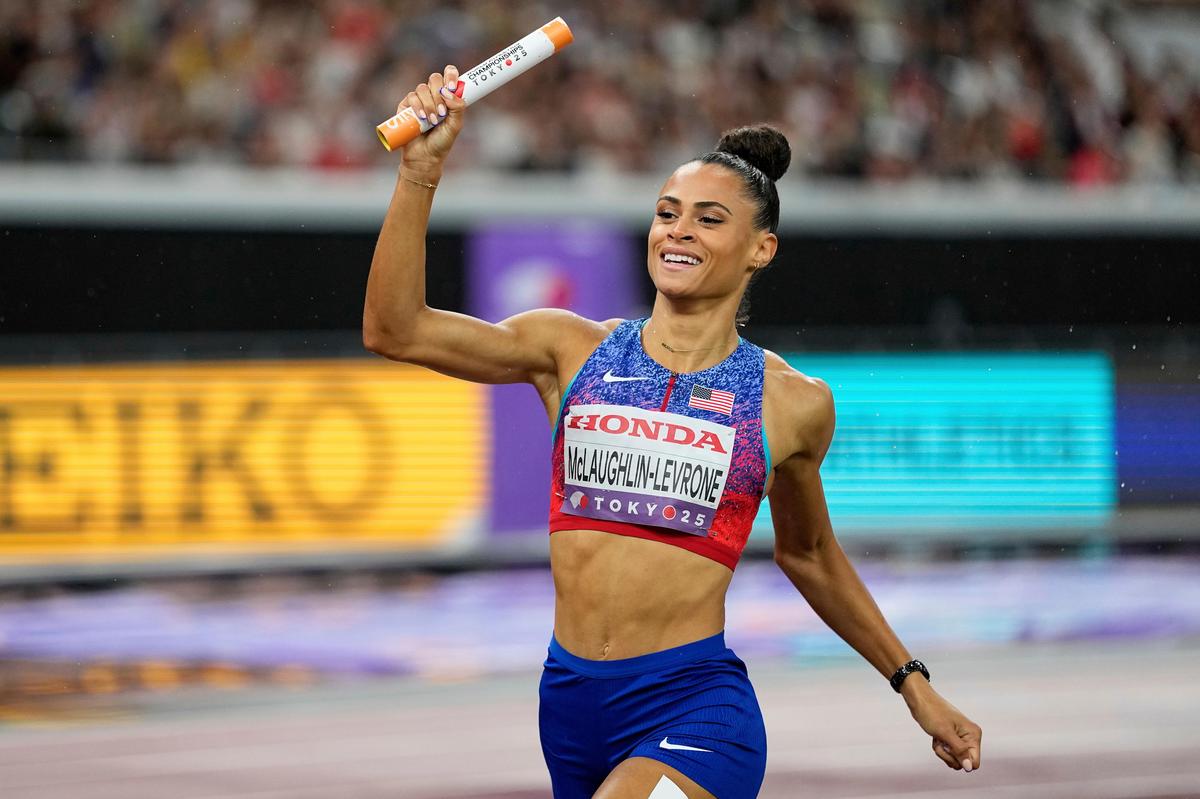
Sydney McLaughlin-Levrone became the first woman in nearly 40 years to crack 48 seconds in the 400 meters, running 47.78 in a historically fast one-lap race at the World Championships.
| Photo Credit:
AP
Sydney McLaughlin-Levrone became the first woman in nearly 40 years to crack 48 seconds in the 400 meters, running 47.78 in a historically fast one-lap race at the World Championships.
| Photo Credit:
AP
Much was expected when Sydney McLaughlin-Levrone committed fully to the 400m flat early in 2025, stepping away from her signature 400m hurdles.
Having already stretched the limits of the one-lap hurdles — she owns the three fastest times in history — the American appeared ready to test herself anew. The looming benchmark was unmistakable: Marita Koch’s long-standing women’s 400m world record of 47.60 seconds, set in 1985, with the Tokyo World Championships the ideal proving ground.
McLaughlin-Levrone signalled her intent in the semifinals, clocking 48.29 seconds to break the American record. It was a statement run, but the final went further.
On September 18, the 26-year-old produced a performance for the ages, slicing nearly half a second off her own mark to win gold in 47.78 seconds. She became the first woman in 40 years to dip under 48 seconds and erased a 42-year-old championship record previously held by Jarmila Kratochvílová.
The relentless pace also dragged silver medallist Marileidy Paulino into rare territory, as her 47.98 made it the first 400m race in which two women ran under 48 seconds.
McLaughlin-Levrone fell just 0.18 seconds short of the world record, a margin small enough to sharpen rather than dull her ambition heading into the 2026 season.
“I knew there were a lot of people doubting me with the switch from hurdles to the flat 400,” she said after her Tokyo triumph. “But I trusted my training. I knew I had it in me.”
Beyond her years
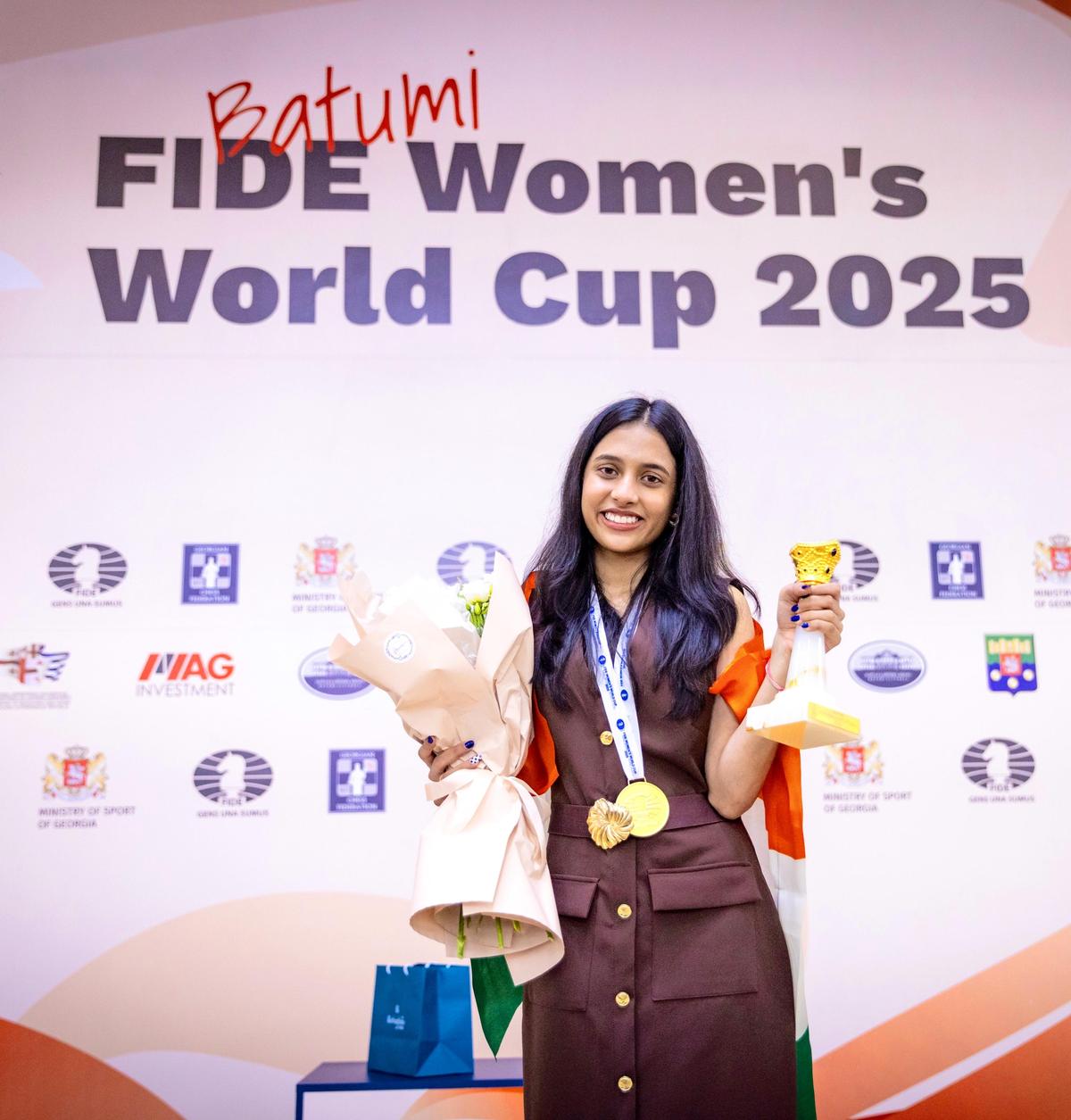
Divya Deshmukh had a breakthrough year.
| Photo Credit:
FIDE/Anna Shtourman
Divya Deshmukh had a breakthrough year.
| Photo Credit:
FIDE/Anna Shtourman
The Chess World Cup is among the sport’s most unforgiving events, its knockout format offering little margin for error.
The 2025 Women’s World Cup in Batumi, Georgia, underlined India’s growing dominance as two Indians fought their way through a 107-player field to reach the final. While fourth seed Koneru Humpy’s presence was expected, her opponent, 19-year-old Divya Deshmukh, emerged as the tournament’s surprise package.
Seeded 15th, Divya carved a stunning path to the title match. She began her upset run by eliminating China’s second seed Zhu Jiner in the fourth round, followed by victories over compatriot D. Harika in the quarterfinals and China’s Tan Zhongyi in the semifinals.
Humpy’s route was steadier, highlighted by her semifinal win over top seed Lei Tingjie.
The final itself was tense and cautious, with the classical games ending in draws. The breakthrough came in the tiebreaks, where Divya struck in the second game to claim the title and become the youngest-ever Women’s Chess World Cup champion.
Along with the biggest win of her career, Divya earned the Grandmaster title and qualification for the 2026 Candidates tournament, confirming her arrival as India’s next major chess force.
Against himself
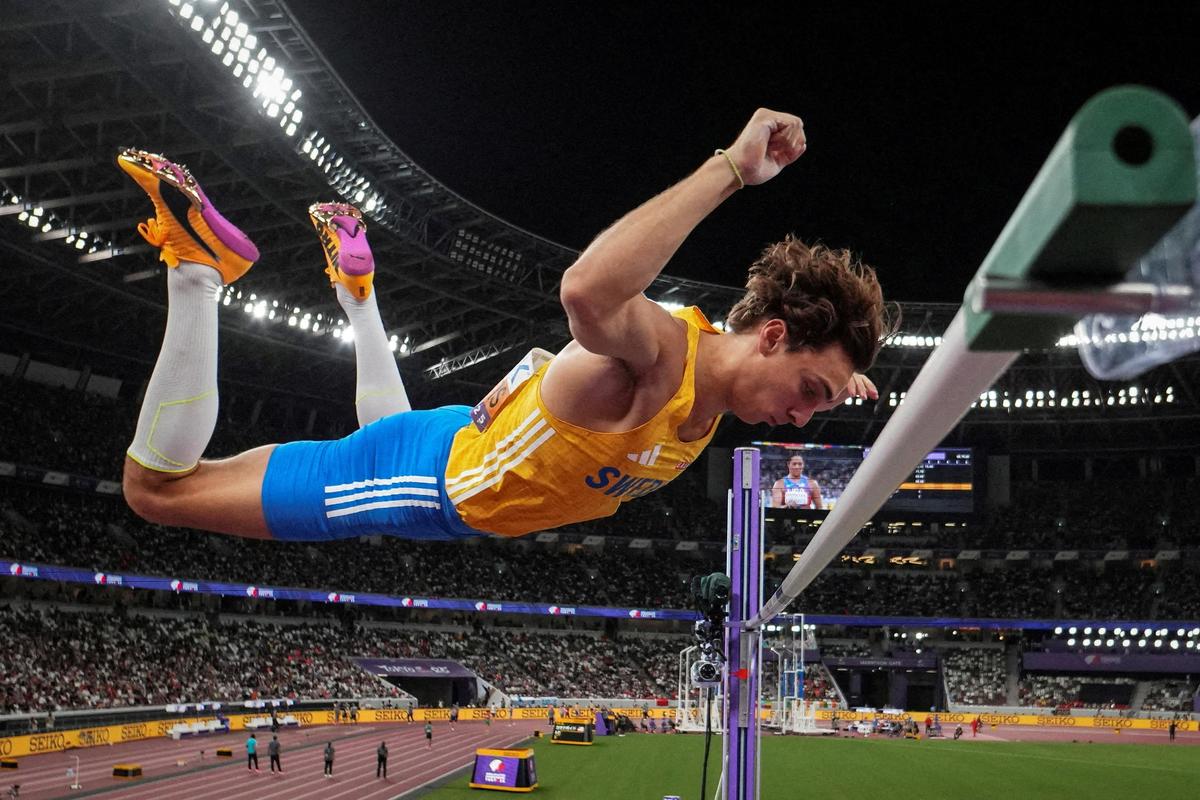
Armand Duplantis soared to his 14th world record with his final attempt, sealing a third consecutive world title and extending his pole vault supremacy.
| Photo Credit:
REUTERS
Armand Duplantis soared to his 14th world record with his final attempt, sealing a third consecutive world title and extending his pole vault supremacy.
| Photo Credit:
REUTERS
If there was one certainty heading into the 2025 World Athletics Championships in Tokyo, it was that Armand Duplantis would win the pole vault.
The standard he has set is such that anything short of a world record now feels like an anti-climax. On September 15, under the lights at the Tokyo National Stadium, the Swede once again lived up to that expectation.
Duplantis cruised through the early rounds before sealing his third world title with a clearance of 6.15m. He then raised the bar beyond his own world record of 6.29m, turning the contest into a familiar duel with himself.
After two narrow failures, the drama peaked on his final attempt. Duplantis soared over 6.30m to shatter the world record yet again, the 14th time he has improved the mark and the fourth occasion in 2025 alone.
Greece’s Emmanouil Karalis claimed silver, his best jump finishing 30cm short of Duplantis’ winning height.
Along with the gold medal, Duplantis also pocketed another $100,000 world-record bonus, prompting World Athletics president Sebastian Coe to joke, “One more world record and we lose our Christmas party. Two more and we lose the summer party.”
Finally, theirs
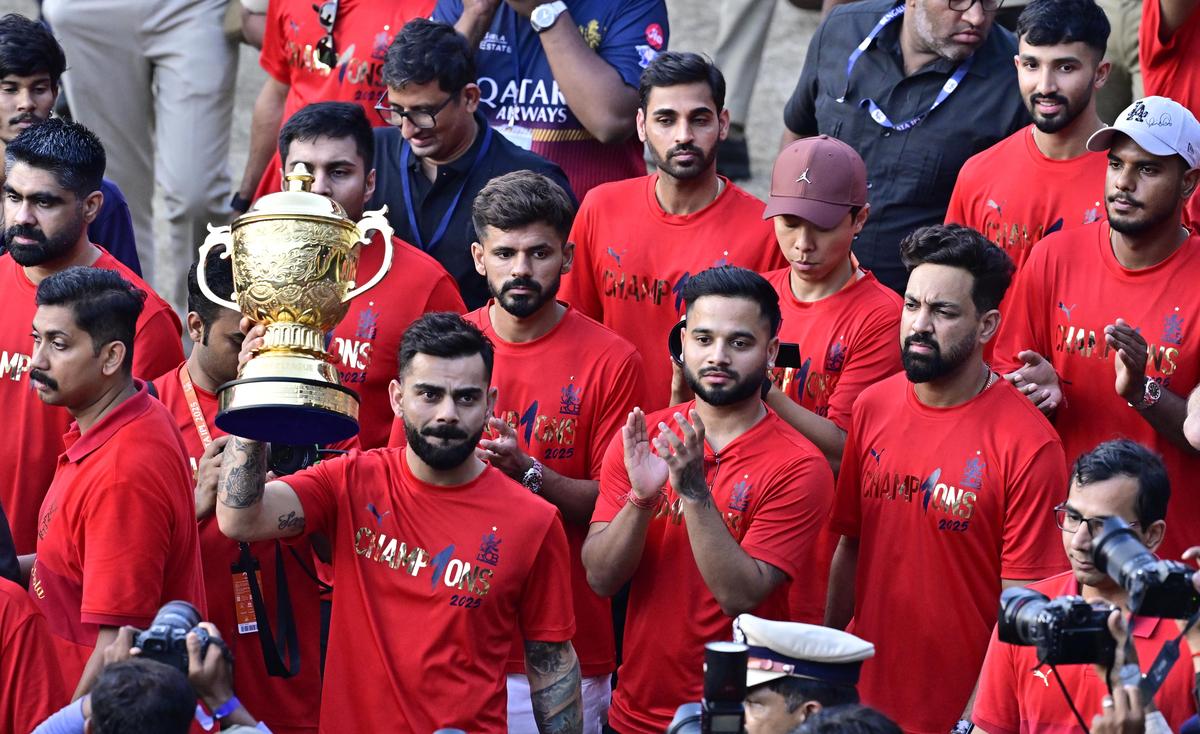
RCB won its maiden IPL title this year, beating PBKS in the final.
| Photo Credit:
K. MURALI KUMAR
RCB won its maiden IPL title this year, beating PBKS in the final.
| Photo Credit:
K. MURALI KUMAR
After an agonising 18-year wait marked by repeated near misses, Royal Challengers Bengaluru finally claimed its maiden Indian Premier League title in 2025.
RCB edged past Punjab Kings in the final in Ahmedabad on June 3 to end a drought that had long defined the franchise. The triumph was the product of sustained recalibration, as the team moved away from the top-heavy, star-driven model of the 2010s towards a more balanced and cohesive unit.
Virat Kohli, ever the constant, anchored the batting through the season, finishing with 657 runs, including eight half-centuries, at a strike rate of 144.71. The bowling attack was led by the relentless Josh Hazlewood, whose 22 wickets provided control and penetration. Holding it together was first-time captain Rajat Patidar, under whom RCB finished second in the league stage, behind Punjab Kings.
RCB made a statement in Qualifier 1, skittling PBKS for 101 before chasing the target inside 10 overs. Opener Phil Salt, among the most astute of RCB’s signings, struck a blistering fifty.
In the final, Kohli again played the stabilising role with a 35-ball 40, while brisk contributions from around him lifted RCB to a competitive 190 for nine. The bowlers then maintained constant pressure, never allowing Punjab to break free, and sealed a six-run win that finally delivered the title RCB had chased for nearly two decades.
The last one
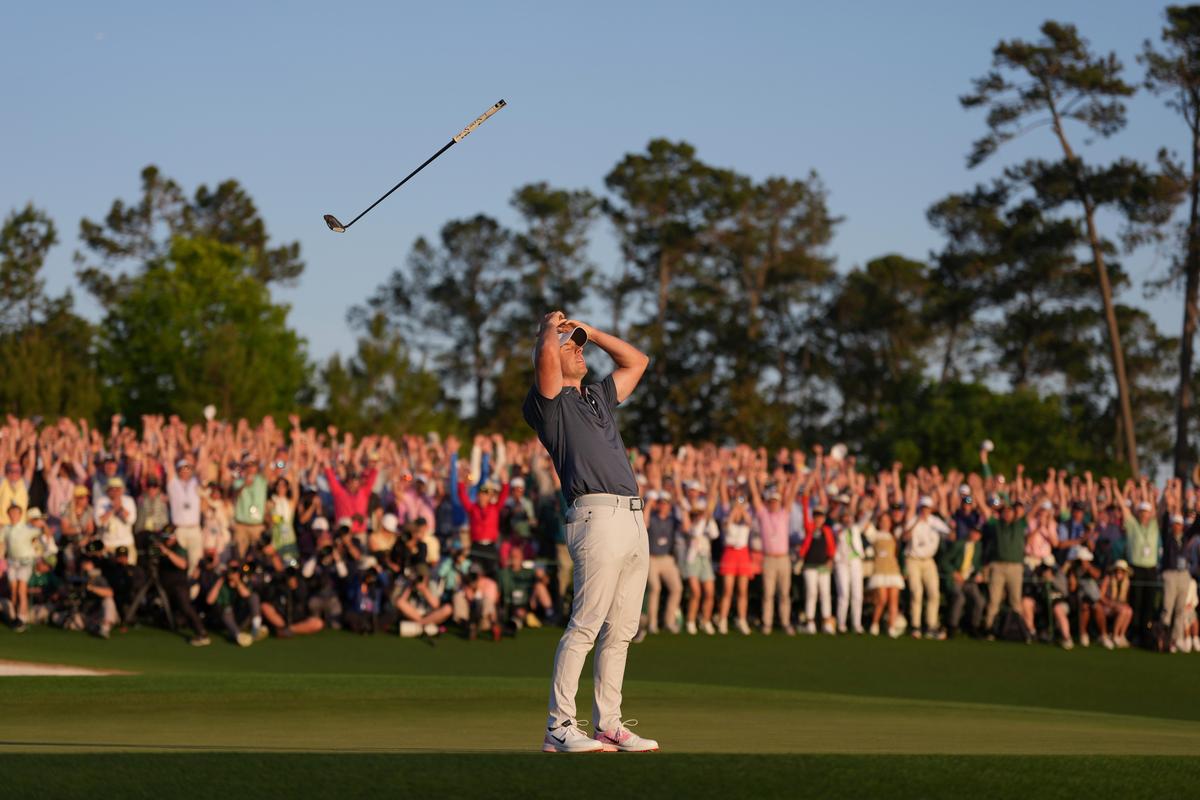
Rory McIlroy won the Masters at Augusta in April 2025, completing his Career Grand Slam and becoming the first European to do so.
| Photo Credit:
AP
Rory McIlroy won the Masters at Augusta in April 2025, completing his Career Grand Slam and becoming the first European to do so.
| Photo Credit:
AP
It ended with Rory McIlroy on his knees, overwhelmed by equal parts joy and release. After years of near misses at golf’s most exacting stage, the 36-year-old finally conquered Augusta to win the Masters and complete the career Grand Slam. He became only the sixth player in history to do so.
True to form, McIlroy took the longest and most tortuous route. What began as a position of control quickly unravelled. A two-shot lead vanished early. A four-shot cushion on the back nine followed it. A missed five-foot par putt for a one-over 73 forced the first Masters playoff in eight years.
“I started to wonder if it would ever be my time,” McIlroy admitted later, as Augusta threatened to reopen old wounds.
This time, though, he steadied himself. A nerveless wedge shot spun back to three feet, applying pressure where it mattered. When Justin Rose failed to convert from 15 feet, McIlroy finally grasped what had eluded him for so long.
The victory ended an 11-year wait for a Major and made him the first Northern Irishman to wear the green jacket. More than the jacket, it was a vindication of stubborn persistence in the face of repeated disappointment.
“It’s the best day of my golfing life,” McIlroy said. “I’m proud of never giving up. I’m proud of how I kept coming back and not letting the disappointments define me.”
In joining Tiger Woods, Jack Nicklaus, Gary Player, Ben Hogan and Gene Sarazen as winners of all four Majors, McIlroy did not just enter history. He rewrote the ending to his own long, unfinished story.
90, at last
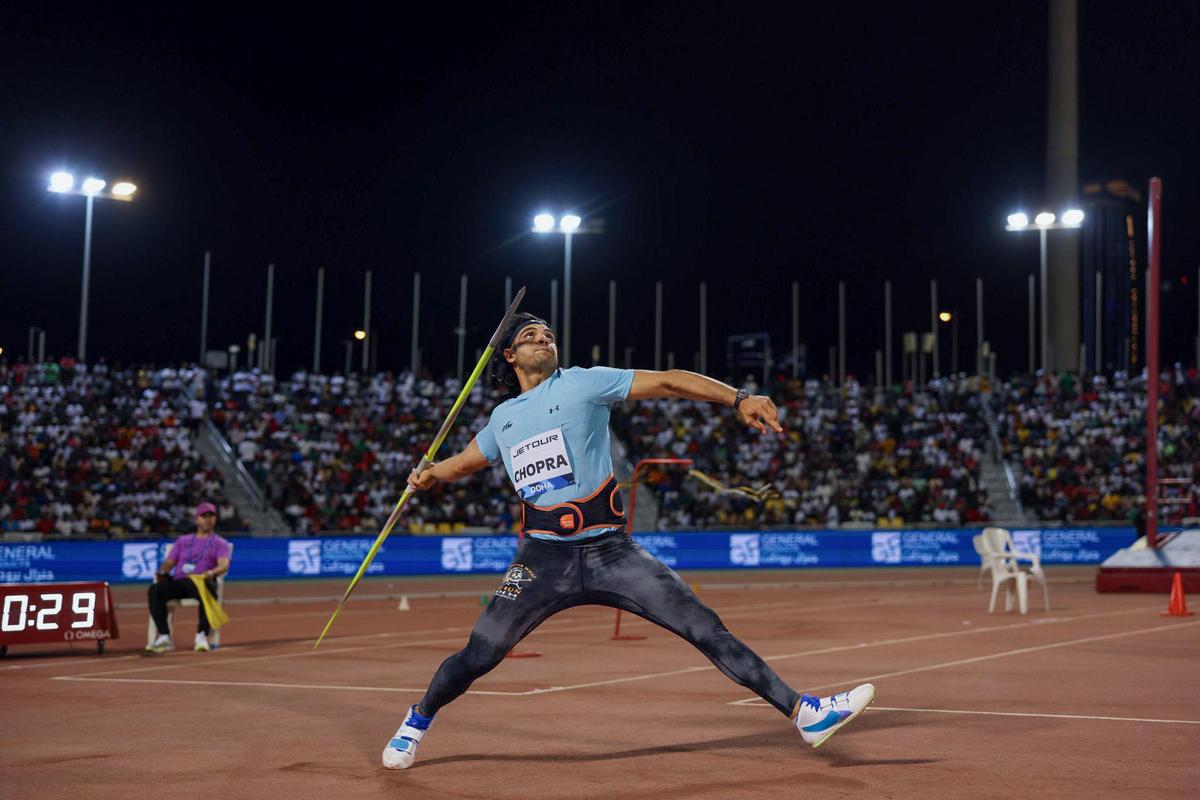
Neeraj Chopra opened his 2025 season by breaching the 90m mark for the first time, finishing second at the Doha Diamond League with a throw of 90.23m.
| Photo Credit:
ANI
Neeraj Chopra opened his 2025 season by breaching the 90m mark for the first time, finishing second at the Doha Diamond League with a throw of 90.23m.
| Photo Credit:
ANI
Even after winning Olympic and world titles and becoming India’s first track-and-field athlete with two Olympic medals, one landmark remained missing from Neeraj Chopra’s resume — 90m throw.
He had come agonisingly close. Six centimetres short at the Lausanne Diamond League in 2022. Fifty-five centimetres away at the Paris Olympics in 2024. “I think I will have to leave it up to God now,” Neeraj said after settling for silver in Paris.
No one questioned his greatness. Yet the absence of a 90-metre throw lingered. It was a threshold crossed by only 25 javelin throwers since 1986, and for an athlete of Neeraj’s stature, it stood out as a quiet but persistent omission.
Returning from injury, his season began modestly with an 84.05m effort at the Potch Invitational Meet in South Africa in April. There was little to suggest what would follow.
A month later in Doha, everything changed. At the Diamond League, Neeraj finally breached the barrier, hurling the javelin 90.23m to become just the 26th man in history to do so and set a new Indian national record. In a year where he surrendered his world title after an eighth-place finish in Tokyo, that throw offered something equally valuable. Not redemption, perhaps, but release. For Neeraj and those who followed his journey, the long chase was finally over.
Ahead of time
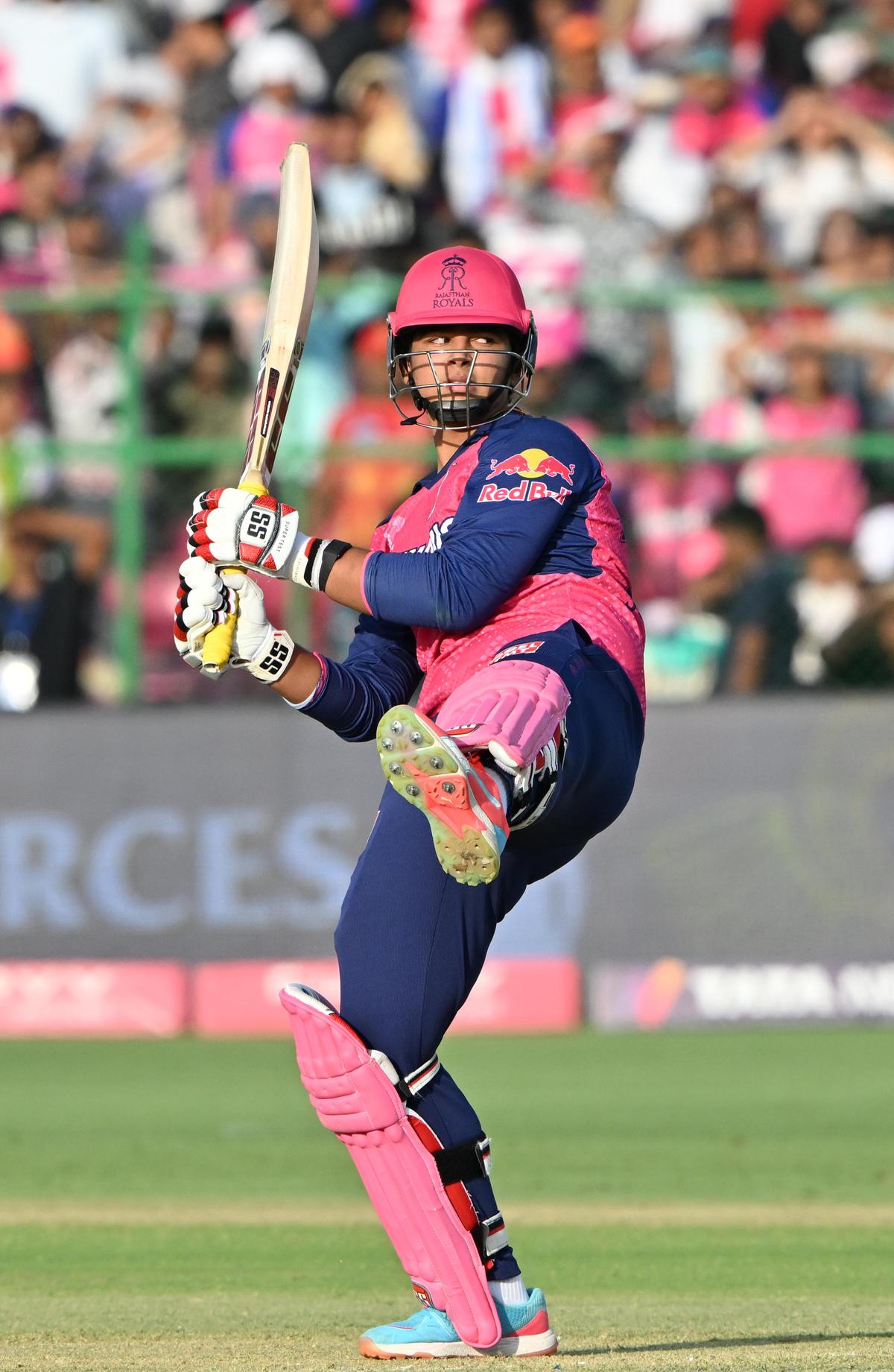
Vaibhav Suryavanshi was one of the finds of IPL 2025.
| Photo Credit:
R.V. MOORTHY
Vaibhav Suryavanshi was one of the finds of IPL 2025.
| Photo Credit:
R.V. MOORTHY
One of the Indian Premier League’s most enduring motifs has been the teenager unfazed by its scale and scrutiny. Jasprit Bumrah, Sanju Samson, Rishabh Pant and Yashasvi Jaiswal were all shaped early by the collision of high-stakes T20 cricket and international stardom.
Yet across 18 editions of the league, few have worn the wonderkid tag with the audacity of Vaibhav Suryavanshi.
By the time Rajasthan Royals signed him for Rs. 1.10 crore, Suryavanshi had already debuted for Bihar in first-class and T20 cricket and scored a century for India Under-19s. He spent the opening matches on the bench, but once unleashed, he wasted little time announcing himself.
At 14 years and 23 days, Suryavanshi became the youngest player in IPL history when he was deployed as an Impact Player during a chase of 181 against Lucknow Super Giants. His first ball in the league was dispatched over cover for six, off Shardul Thakur.
Any lingering doubts about his readiness were erased days later. Against Gujarat Titans, Suryavanshi tore into the attack with a 35-ball hundred, the second-fastest in IPL history. At 14 years and 32 days, he also became the youngest centurion in T20 cricket.
The IPL has seen precocity before. Rarely has it been announced with such fearless conviction.
Published on Dec 31, 2025