

World Titles, Comebacks and Championship Nights: Defining Sports Moments of 2025 (Part 2)
Championships were decided, long waits ended, and defining rivalries shifted in 2025. From World Cups and Grand Slams to NBA, ICC and continental titles, these moments capture the sport’s biggest nights and hardest-earned victories.
Not quite complete
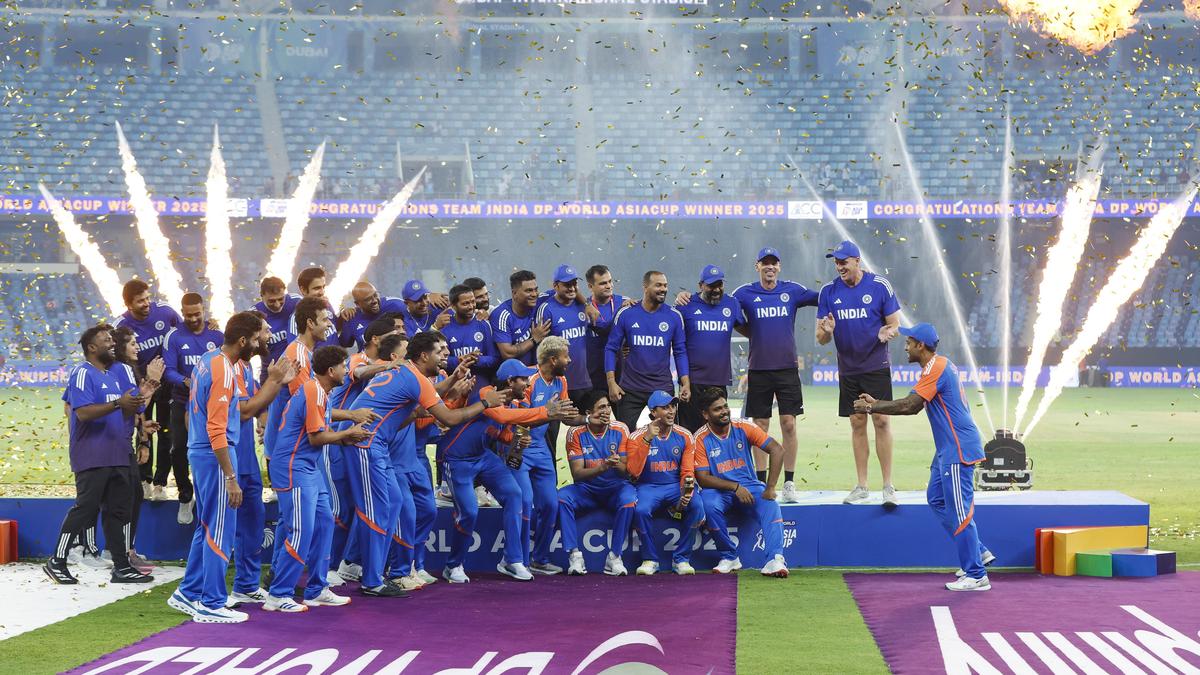
India clinched the Asia Cup, played in the T20 format, for a record-extending ninth time, though the triumph was overshadowed by political tensions with Pakistan.
Led by Suryakumar Yadav, India defeated Pakistan by seven wickets in the group stage but declined the customary post-match handshake. The side went on to remain unbeaten in the league phase before adding three more victories in the Super Fours.
India opened the Super Fours with another win over Pakistan, again maintaining its no-handshake stance, before beating Bangladesh and edging past Sri Lanka in a Super Over thriller to reach the final.
The title clash once more pitted the arch-rivals against each other. Pakistan began strongly but suffered a dramatic collapse, slipping from 107 for one to be bowled out for 147. India’s chase was steadied by Tilak Varma, whose unbeaten 69 guided his side home despite an early wobble that saw three wickets fall for 20 runs.
Controversy followed the win. In response to India’s refusal to shake hands and accept the trophy from PCB chairman Mohsin Naqvi, the champion team was not presented with the winner’s trophy at the ceremony.
The presentation was delayed by over an hour as Pakistani players remained in their dressing room, eventually ending with India staging improvised celebrations, holding aloft a symbolic, make-believe trophy.
Rebuild complete
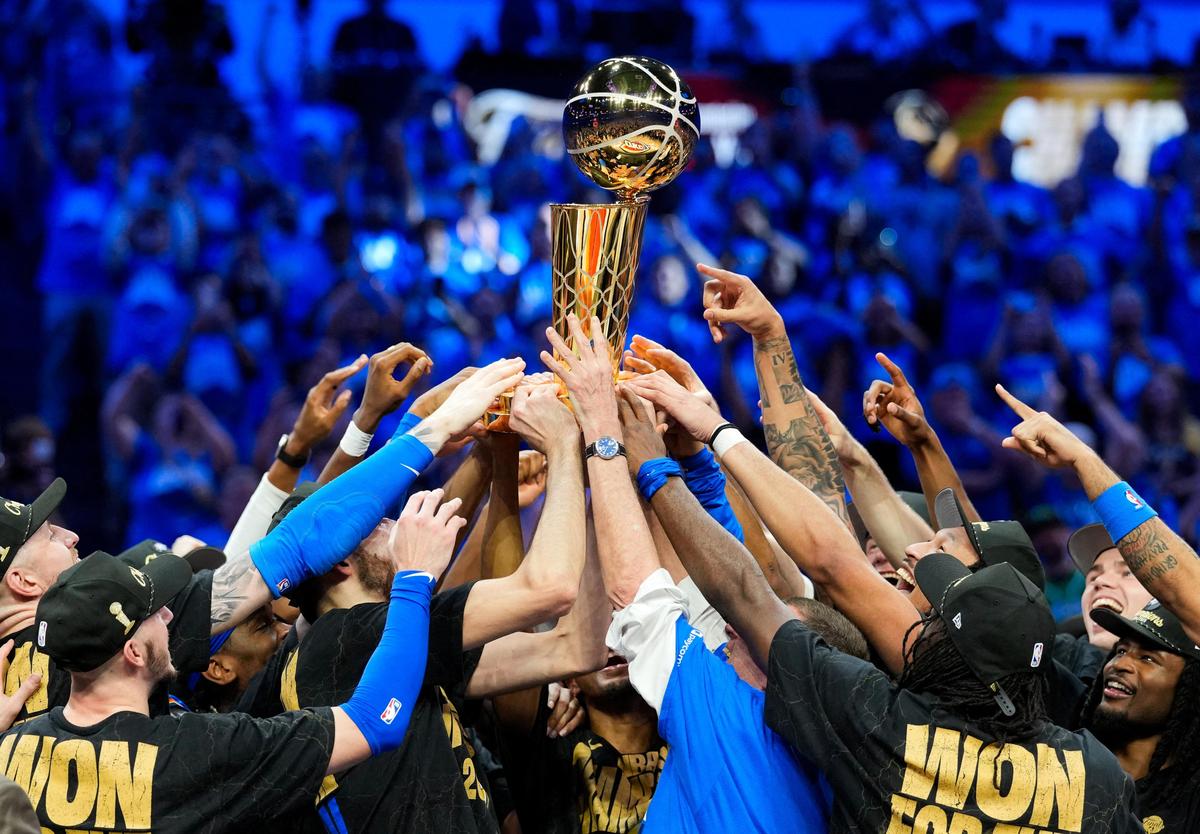
The Oklahoma City Thunder won the 2025 NBA Championship, defeating the Indiana Pacers in a thrilling seven-game Finals.
| Photo Credit:
Reuters

The Oklahoma City Thunder won the 2025 NBA Championship, defeating the Indiana Pacers in a thrilling seven-game Finals.
| Photo Credit:
Reuters
The Oklahoma City Thunder ended a long wait for an NBA title, its first since relocating from Seattle in 2008 and only its second overall after the 1979 championship as the SuperSonics.
It had come close in 2012, when Kevin Durant, Russell Westbrook and James Harden led OKC to the Finals, only to fall to LeBron James’ Miami Heat. More than a decade of rebuilding followed before the pieces finally aligned under head coach Mark Daigneault.
This time, the new core finished the job. Shai Gilgeous-Alexander, Chet Holmgren and Jalen Williams powered the Thunder past the Indiana Pacers in a seven-game Finals series to claim the crown.
OKC dominated all season, winning 68 games in the regular season before asserting itself in the playoffs. It swept the Memphis Grizzlies, eliminated defending champion Denver Nuggets, and dispatched the Minnesota Timberwolves 4–1 in the Western Conference Finals.
Indiana stretched the Finals to a decider, but the absence of injured star Tyrese Haliburton proved decisive in Game 7. Gilgeous-Alexander capped a historic campaign by becoming the first player in 25 years to win the regular-season MVP, scoring title and Finals MVP in the same season.
With Holmgren and Williams alongside him, he delivered the Thunder’s long-awaited title and signalled the start of a potentially defining era.
By a blink
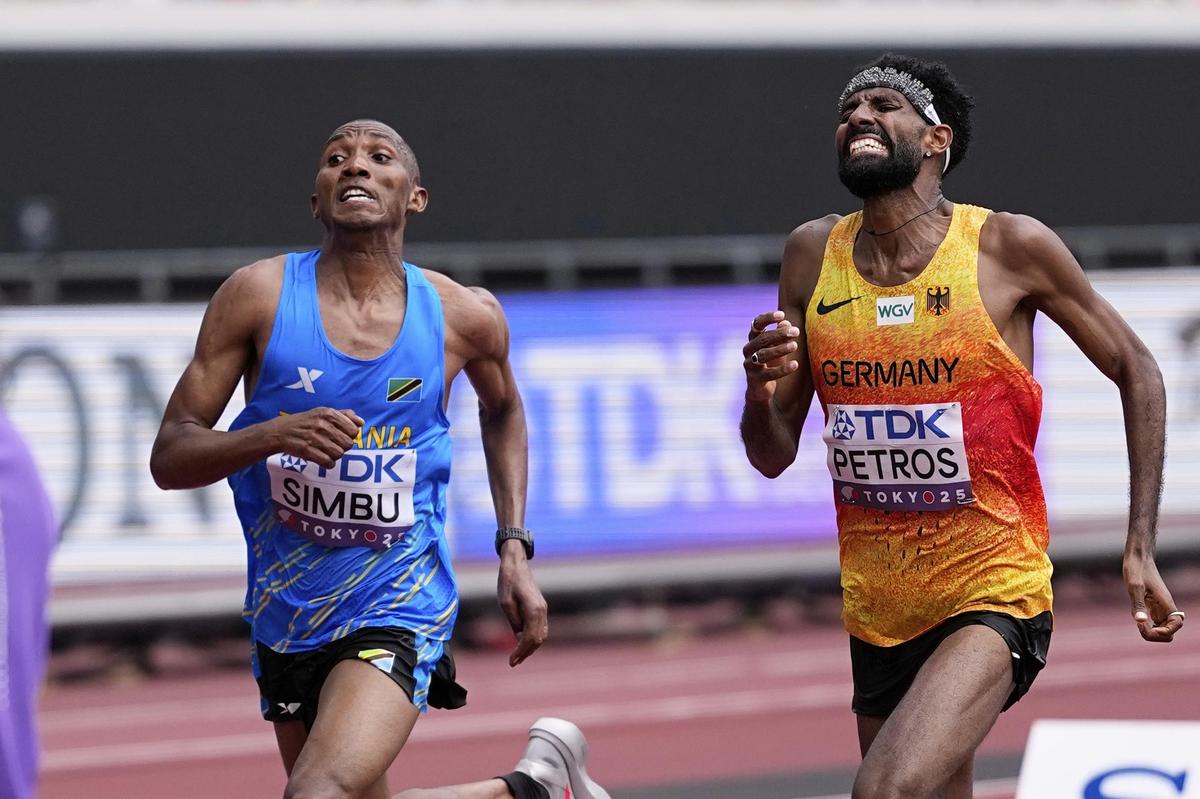
Tanzania’s Alphonce Felix Simbu wins marathon gold by 0.03 seconds after a dramatic sprint finish against Germany’s Amanal Petros at the World Athletics Championships in Tokyo.
| Photo Credit:
AP
Tanzania’s Alphonce Felix Simbu wins marathon gold by 0.03 seconds after a dramatic sprint finish against Germany’s Amanal Petros at the World Athletics Championships in Tokyo.
| Photo Credit:
AP
Tanzania’s Alphonce Simbu and Germany’s Amanal Petros produced a finish for the ages in the men’s marathon at the World Athletics Championships in Tokyo, separated only by a photo finish after 26.2 gruelling miles.
Petros held a slender lead as the race entered its final stages at the Tokyo National Stadium. The German, bidding to become his country’s first world champion in marathon, was still marginally ahead as the pair rounded the final bend and surged onto the home straight.
But Simbu had kept something in reserve. Over the final 30 metres, the Tanzanian unleashed a late burst, closing the gap in a blur. Both runners stopped the clock at 2:09:48, with Petros throwing himself across the line in a desperate lunge.
After more than two hours of running, the championship was decided by the narrowest of margins. A photo finish confirmed Simbu as the winner, edging Petros by just 0.03 seconds. The margin of victory was finer than even the men’s and women’s 100m finals at the Championships.
Simbu, who had claimed bronze in the marathon at the 2017 World Championships, went one better this time, becoming the first Tanzanian athlete to win a world title.
Tables turned

Jemimah Rodrigues starred in a historic ICC Women’s Cricket World Cup semifinal, scoring a magnificent unbeaten 127 to lead India to a record chase and stunning victory over Australia.
| Photo Credit:
EMMANUAL YOGINI
Jemimah Rodrigues starred in a historic ICC Women’s Cricket World Cup semifinal, scoring a magnificent unbeaten 127 to lead India to a record chase and stunning victory over Australia.
| Photo Credit:
EMMANUAL YOGINI
Australia has long been India’s toughest opponent in world cricket. Chasing 339 in a World Cup semifinal only heightened that challenge.
In 2025, however, the Indian women produced a performance for the ages, pulling off a world-record run chase to beat defending champion Australia by five wickets in the ODI World Cup semifinal.
Australia, the world No. 1 side then, piled up 338 after winning the toss. Phoebe Litchfield’s 119 off 93 balls set the tone, with Elysse Perry (77) and Ashleigh Gardner (63) adding momentum late in the innings.
There was added context. Earlier in the tournament, Australia had chased down 330 against India, a record that made this semifinal a chance for redemption.
India’s reply began unsteadily, with Shafali Verma and Smriti Mandhana falling early. The chase was rebuilt by Jemimah Rodrigues and captain Harmanpreet Kaur, whose 167-run stand, the highest against Australia in a Women’s World Cup, carried India beyond 250.
Harmanpreet fell for 89, but a dropped catch of Jemimah on 83 proved costly for Australia. She went on to score a career-best 127 off 134 balls, her maiden World Cup century, and guided India to a landmark victory.
Full circle
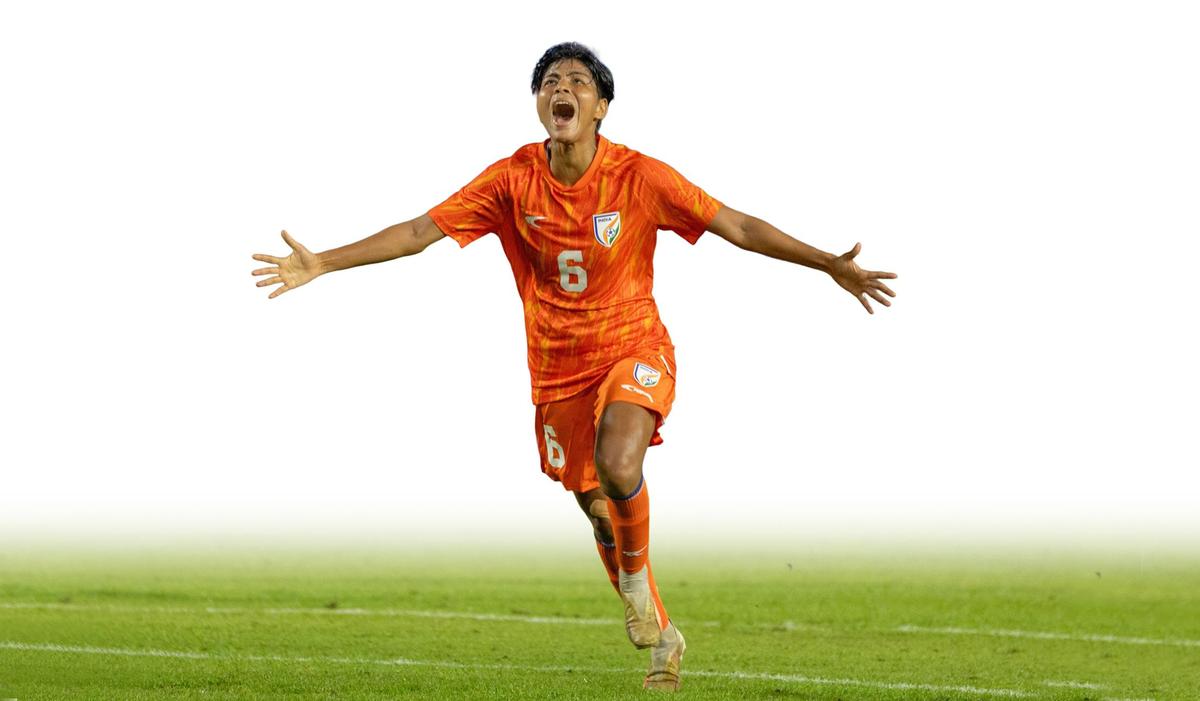
Sangita Basfore was one of the standout performers in Indian football this year.
| Photo Credit:
AIFF MEDIA
Sangita Basfore was one of the standout performers in Indian football this year.
| Photo Credit:
AIFF MEDIA
At a time when Indian men’s football is enduring a barren spell, the women’s team carved out a historic milestone, qualifying for the Women’s AFC Asian Cup on merit for the first time.
The achievement carried added weight given what had unfolded in 2022. Host of the tournament, India was forced to withdraw after just one match, a goalless draw against Iran, following a COVID-19 outbreak in the squad. What was meant to be a moment of arrival ended in heartbreak.
Three years on, the response was emphatic. India produced a stirring 2-1 comeback win over Thailand in a must-win group-stage match to seal qualification for the 2026 Asian Cup.
The night belonged to Sangita Basfore. Sidelined with an ACL injury in 2022, she returned to score both goals. India struck first in the 29th minute through Sangita, only for Chatchawan Rodthong to equalise shortly after halftime and tilt the momentum Thailand’s way.
As qualification began to slip, India found resolve. In the 74th minute, Shilky Devi Hemam’s delivery found Sangita, who headed past Tiffany Sornpao to restore the lead.
The final whistle ended Thailand’s uninterrupted Asian Cup run since 1997, and signalled a defining new chapter for Indian women’s football.
The old, the new
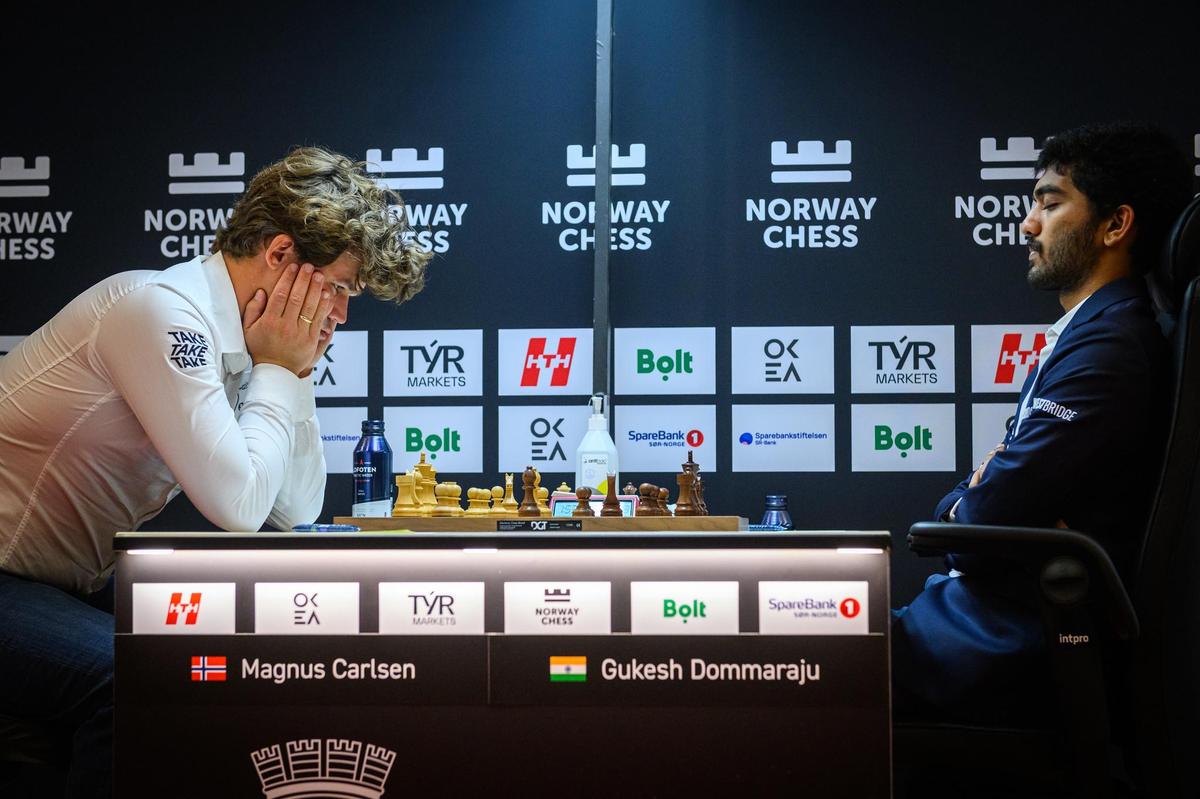
Two wins. Two formats. Gukesh vs Magnus is a rivalry unmistakably entering a new phase.
| Photo Credit:
FIDE/Michal Walusza
Two wins. Two formats. Gukesh vs Magnus is a rivalry unmistakably entering a new phase.
| Photo Credit:
FIDE/Michal Walusza
The rivalry between the youngest world champion, D. Gukesh, and Magnus Carlsen took a decisive turn in 2025, when the prodigy finally toppled the sport’s modern standard-bearer.
The moment came in the sixth round of Norway Chess. Gukesh defeated Carlsen to record his first classical win over the world No. 1, triggering an uncharacteristic eruption from the Norwegian. Carlsen slammed his fist on the table, scattering the pieces, and stormed out. The clip ricocheted across the internet, turning Carlsen into a meme and Gukesh into the game’s newest symbol of arrival.
Viswanathan Anand offered context rather than condemnation. Speaking to PTI, he suggested the loss cut deep, with Carlsen keen to “draw a line in the sand” against the next generation. A clean sweep against Gukesh, Anand said, would have mattered greatly.
A month later, the pattern repeated, though the reaction did not. At the Super United Rapid and Blitz in Zagreb, Gukesh beat Carlsen again, this time with the black pieces, controlling the game for 49 moves.
Two wins. Two formats. And a rivalry unmistakably entering a new phase.
The long wait
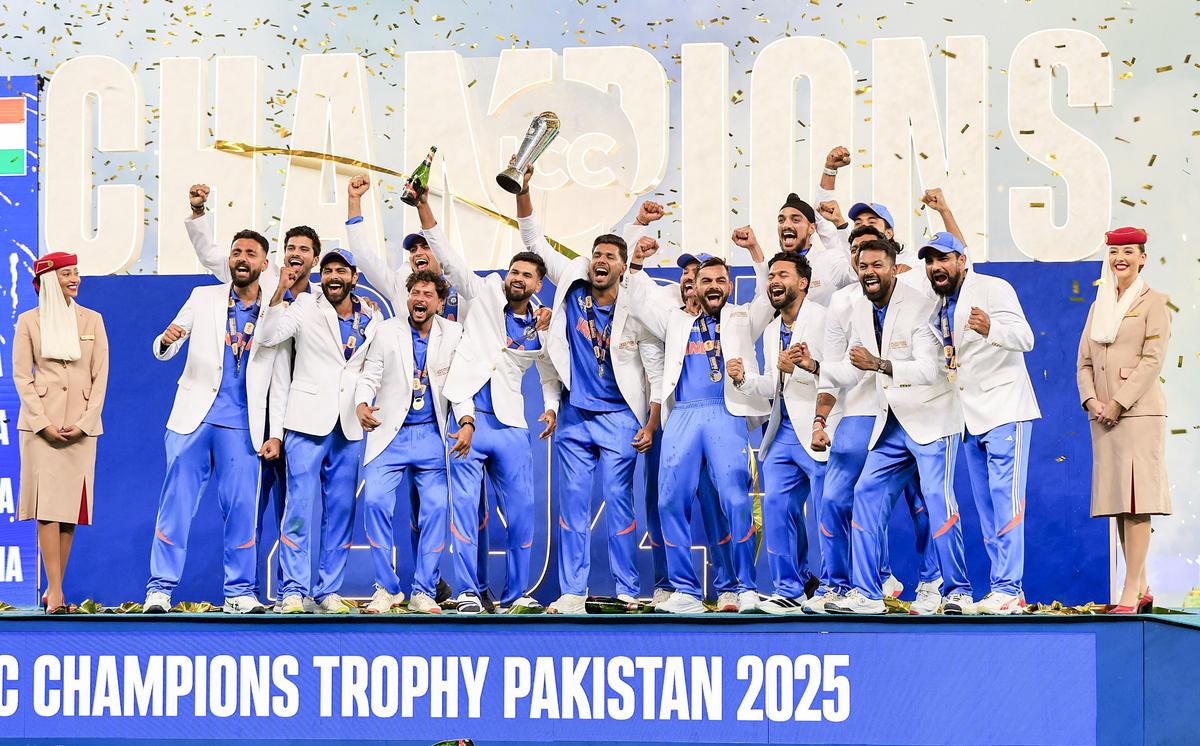
India won the Champions Trophy for a record third time after a four-wicket victory over New Zealand in Dubai.
| Photo Credit:
ANI
India won the Champions Trophy for a record third time after a four-wicket victory over New Zealand in Dubai.
| Photo Credit:
ANI
For much of the past decade, India’s pursuit of an ICC ODI title had ended in familiar disappointment. From the 2017 Champions Trophy final to the heartbreak of the 2023 World Cup at home, the Men in Blue repeatedly fell at the final hurdle.
That script finally changed in 2025.
On March 9, at the Dubai International Stadium, Ravindra Jadeja’s pull off Will O’Rourke sealed a four-wicket win over New Zealand and handed India its first ICC ODI trophy in 12 years, in the Champions Trophy final.
India’s title run was built on collective authority. Varun Chakaravarthy and Mohammed Shami finished with nine wickets each, leading the bowling charts, while Kuldeep Yadav delivered at key moments, including two wickets in the final and three against Pakistan, as India went unbeaten through the tournament.
The batting, too, carried depth and timing. Rohit Sharma, Shubman Gill, Virat Kohli, Shreyas Iyer and K.L. Rahul all contributed when it mattered. Kohli reclaimed his ‘chase master’ tag with an unbeaten century against Pakistan and a composed 84 in the semifinal against Australia.
In the final, Rohit’s 76 set the tone, before Rahul, pushed down the order, anchored the chase with an unbeaten 34 alongside Jadeja to complete a long-awaited triumph.
The long night
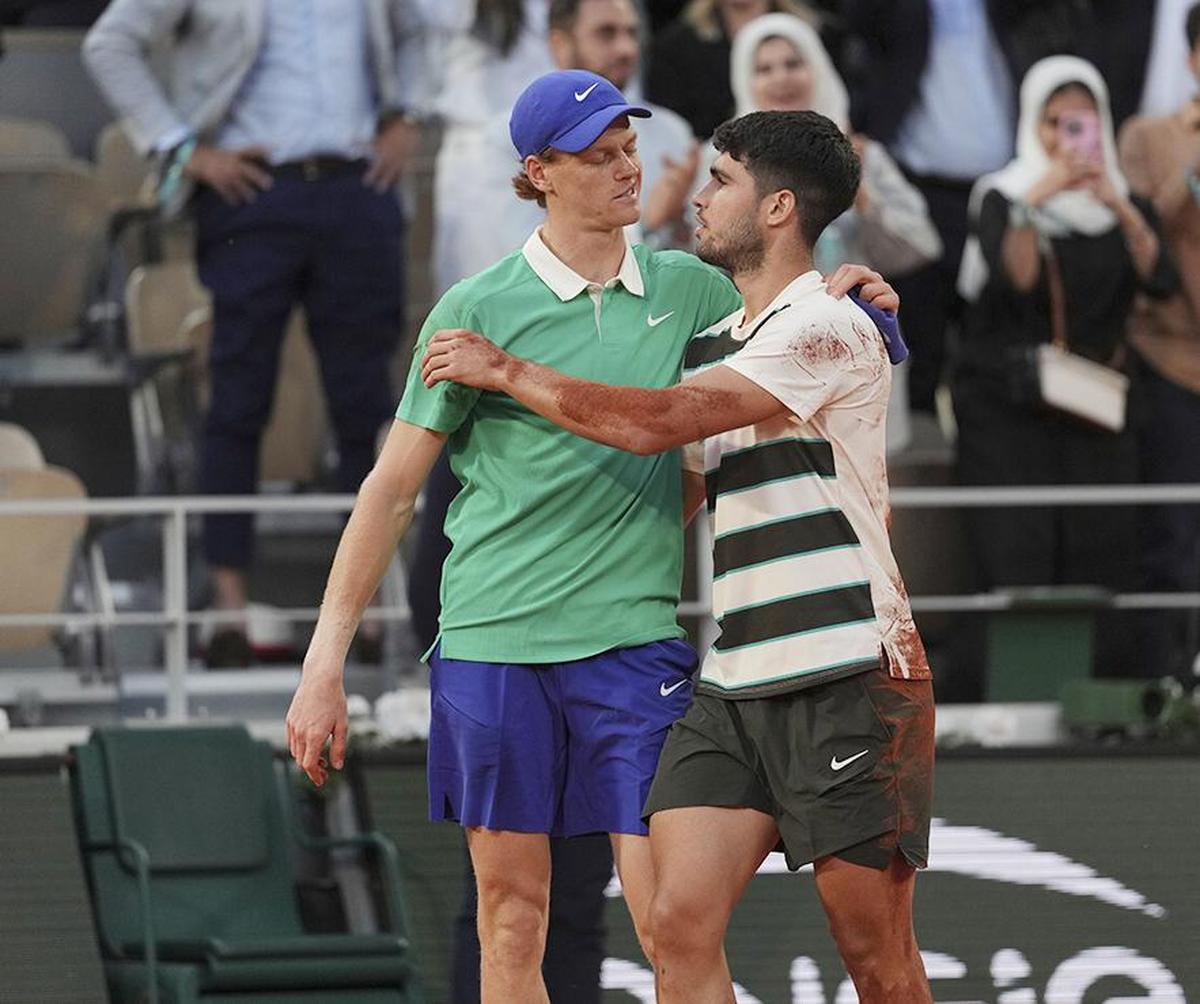
Carlos Alcaraz became only the eighth man in the Open era to win back-to-back French Open titles.
| Photo Credit:
AP
Carlos Alcaraz became only the eighth man in the Open era to win back-to-back French Open titles.
| Photo Credit:
AP
“It’s never over until it’s over” found its purest expression at the French Open in 2025, when Carlos Alcaraz produced a comeback for the ages in one of the greatest Grand Slam finals ever at Court Philippe-Chatrier.
Facing world No. 1 Jannik Sinner, Alcaraz appeared on the brink as the Italian surged towards his maiden Roland Garros title. Sinner led by two sets and was up 5–3 in the fourth, holding three match points with Alcaraz staring at 0–40.
What followed was a stunning reversal. Alcaraz saved all three match points, clawed his way back, and eventually prevailed 4–6, 6–7 (4), 6–4, 7–6 (3), 7–6 (10–2) in a contest that stretched deep into the Paris night.
The drama refused to fade. After more than three hours and 40 minutes, Sinner had his first match point. Over five hours in, Alcaraz served for the championship at 5–4, only for Sinner to drag the match back to 6–6. The decider came down to a final-set tiebreaker, where the momentum swung decisively.
Roared on by a partisan crowd, Alcaraz raced to a 4–0 lead and never looked back, sealing victory with a sublime forehand pass before collapsing in disbelief.
The longest men’s final in French Open history, and the second-longest Grand Slam final ever, delivered Alcaraz his fifth Major title.
A massive ‘Head’ache
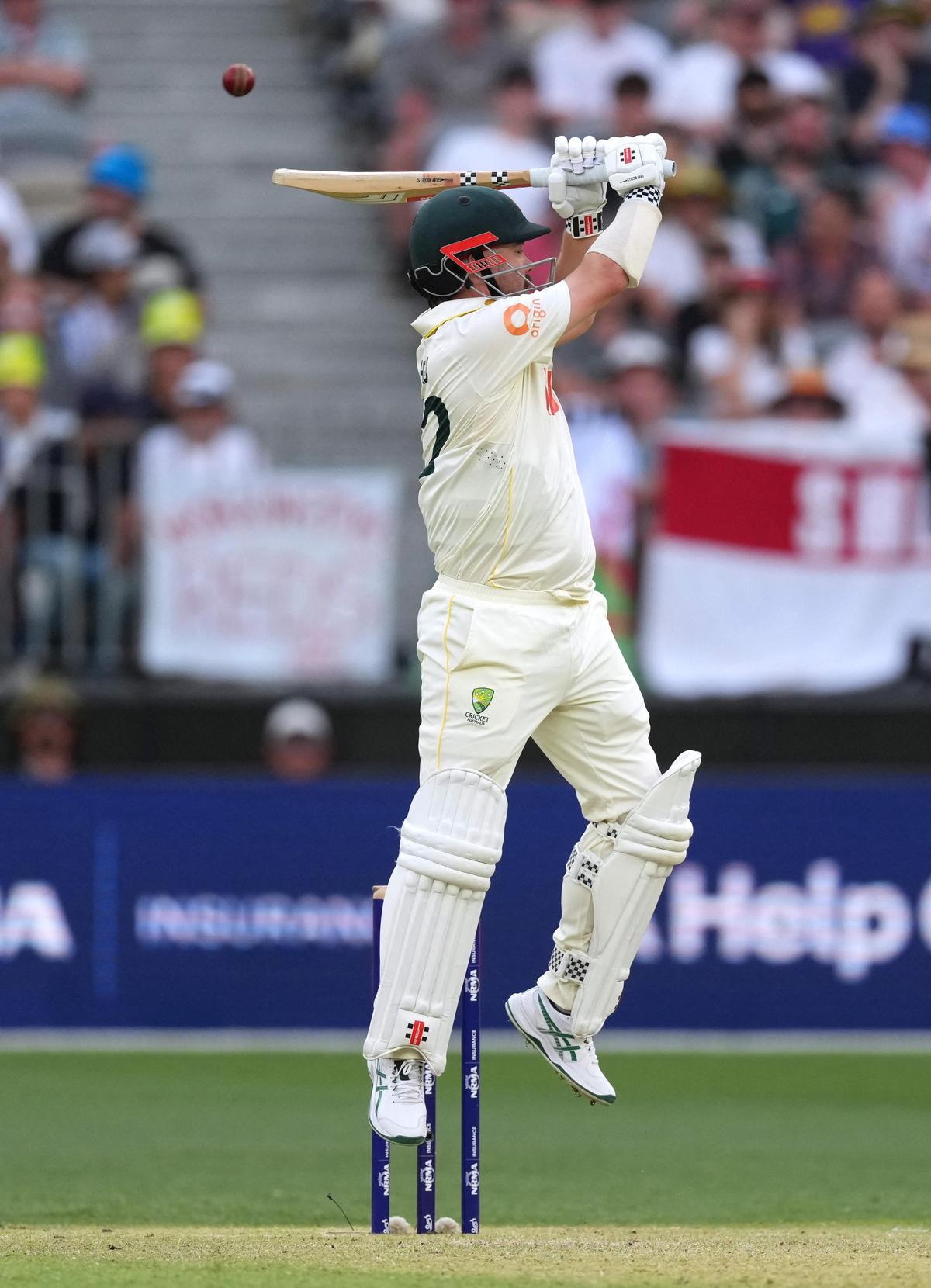
In the first two-day Ashes Test since 1921, Travis Head dismantled England with the second-fastest Ashes century, off just 69 balls.
| Photo Credit:
REUTERS
In the first two-day Ashes Test since 1921, Travis Head dismantled England with the second-fastest Ashes century, off just 69 balls.
| Photo Credit:
REUTERS
England came into the opening Ashes Test in Perth with a genuine chance of striking early against a depleted Australian side. After the first day and a little into the second, it appeared poised to make that advantage count and claim its first Test win in Australia in over 14 years.
Instead, England contributed significantly to its own undoing. A failure to press home the advantage in the third innings meant it set Australia a challenging but far from insurmountable target of 205. What followed was emphatic.
“Shell-shocked” was how England captain Ben Stokes later described it. An injury to regular opener Usman Khawaja opened the door for Travis Head to move to the top of the order, and he seized the opportunity with devastating effect. Head tore into England’s attack, dismantling Jofra Archer, Brydon Carse, Mark Wood and Stokes with disdainful ease.
The left-hander bludgeoned 123 off just 83 deliveries in a tone-setting innings that reshaped the series. Australia cruised to the target inside 30 overs, sealing victory in just two days and taking a 1–0 lead.
“That innings was out of this world,” stand-in captain Steve Smith said later. “One of those days when he’s on, and he got us home.”
As Australia wrapped up the series inside 11 days to retain the urn, both sides will reflect on Perth as the decisive turning point. Head’s assault did more than win a Test. It effectively sealed England’s fate on the tour.
Tears and triumph
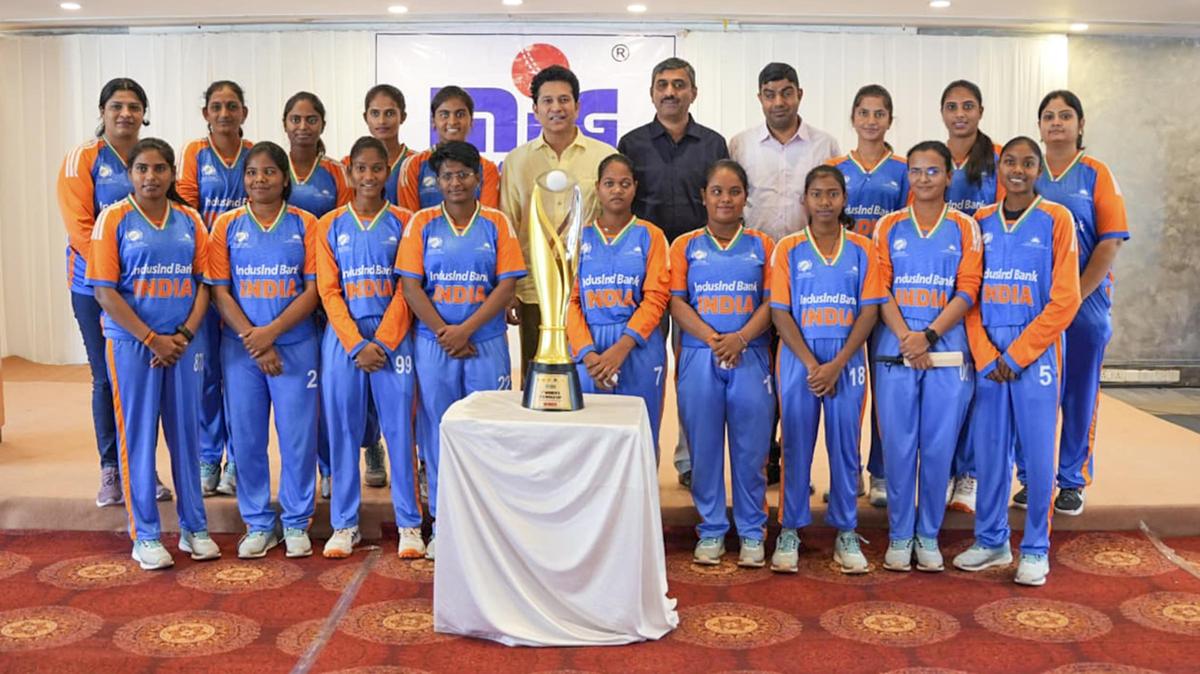
India defeated Nepal to win the inaugural Blind Women’s T20 World Cup.
| Photo Credit:
Special Arrangement
India defeated Nepal to win the inaugural Blind Women’s T20 World Cup.
| Photo Credit:
Special Arrangement
India scripted history by clinching the inaugural Blind Women’s T20 World Cup title, defeating Nepal by seven wickets in the final at the P. Sara Oval in Colombo.
After restricting Nepal to 114 for five, India made light work of the chase, overhauling the target in just 12.1 overs. Phula Saren starred with a fluent 44 off 27 balls, steering her side home in a commanding finish. Such was India’s control in the final that Nepal managed just one boundary across its innings. The triumph capped a flawless campaign. India went unbeaten through the tournament, overcoming Sri Lanka, Australia, Nepal, the USA and Pakistan in the league phase before defeating Australia again in the semifinal to seal the silverware.
Coming just three weeks after India’s maiden Women’s ODI World Cup triumph, the visually impaired team’s success marked another watershed moment for women’s sport in the country. Led by Karnataka’s Deepika TC, the 16-member squad drew players from nine states — Karnataka, Maharashtra, Rajasthan, Madhya Pradesh, Andhra Pradesh, Odisha, Delhi, Assam and Bihar — reflecting both diversity and depth.
Many of the players hail from modest rural backgrounds, and their rise to the world stage has brought renewed visibility and recognition to disability cricket in India. The victorious squad received a rousing welcome in Chennai and Bengaluru, and later met Indian Prime Minister Narendra Modi and cricket legend Sachin Tendulkar.
“This moment will stay with us for life,” Deepika said after the meeting. “It will motivate us to work even harder and carry Indian cricket to greater heights.”
Still there
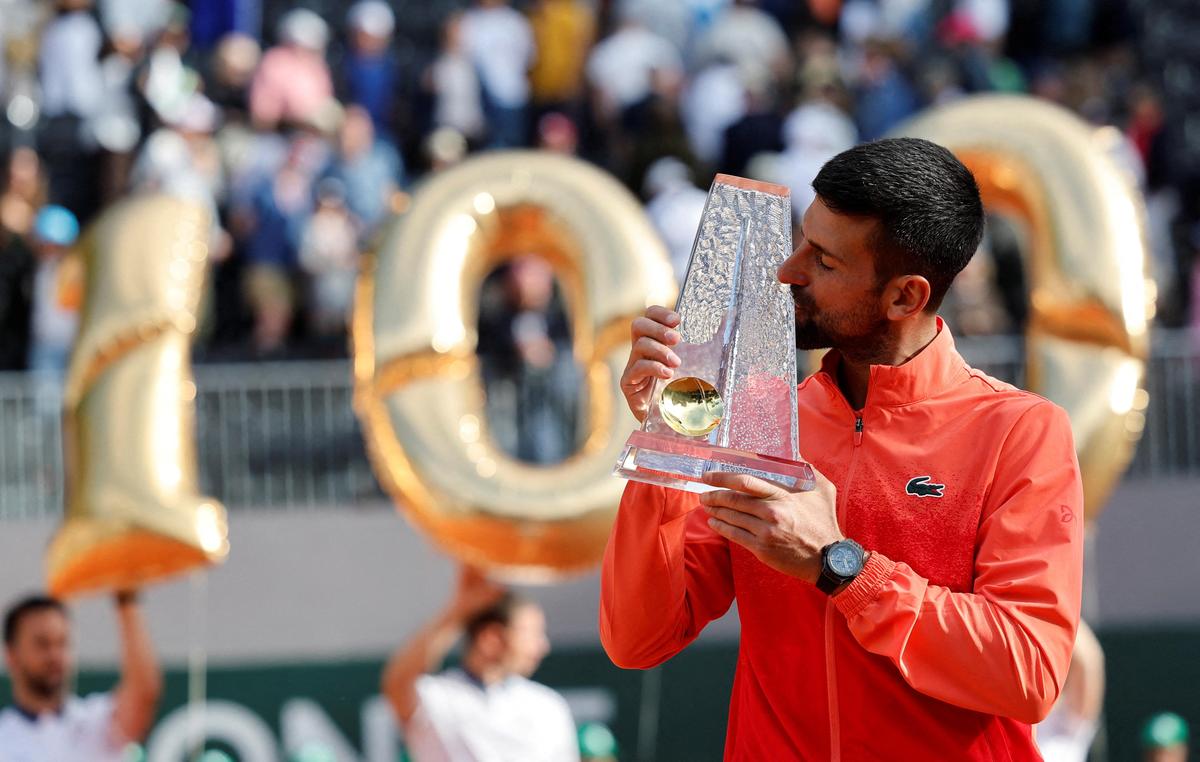
Djokovic is only the third man – after Jimmy Connors (109) and Roger Federer (103) – to clock up the century in the Open era.
| Photo Credit:
REUTERS
Djokovic is only the third man – after Jimmy Connors (109) and Roger Federer (103) – to clock up the century in the Open era.
| Photo Credit:
REUTERS
It began in 2006 in Amersfoort, the Netherlands, when 19-year-old Novak Djokovic claimed his first ATP Tour title. Nearly two decades later, he has joined a club occupied by only two other men in history, Jimmy Connors and Roger Federer, by reaching 100 career titles.
The journey to the landmark, however, was anything but linear. By the end of 2023, Djokovic had already amassed 98 titles, but the final stretch proved stubborn. As the tour’s next generation grew bolder and Djokovic adjusted his schedule around longevity rather than volume, titles became harder to come by.
In 2024, he won just once. That solitary triumph, though, was an Olympic gold medal in Paris, the final major prize missing from his resume. After that, he endured nine tournaments without lifting a trophy, a run marked by close final defeats and unexpected early exits.
He arrived in Geneva two days after his 38th birthday as a late wildcard, ostensibly to fine-tune his game ahead of the French Open. There was also a personal pull. The lakeside city is home to close family, including relatives he was keen to visit after the recent birth of a child.
On the clay, sentiment gave way to steel. Djokovic outlasted Poland’s Hubert Hurkacz in a demanding final, recovering from a set down to win 5-7, 7-6 (2), 7-6 (2) in just over three hours. It was not vintage dominance, but a familiar display of endurance, clarity under pressure, and refusal to yield.
“I’m just grateful to clinch the 100 here,” Djokovic said on court. “I had to work for it, that is for sure.”
At this stage of his career, that effort may matter as much as the number itself.
Published on Dec 31, 2025