

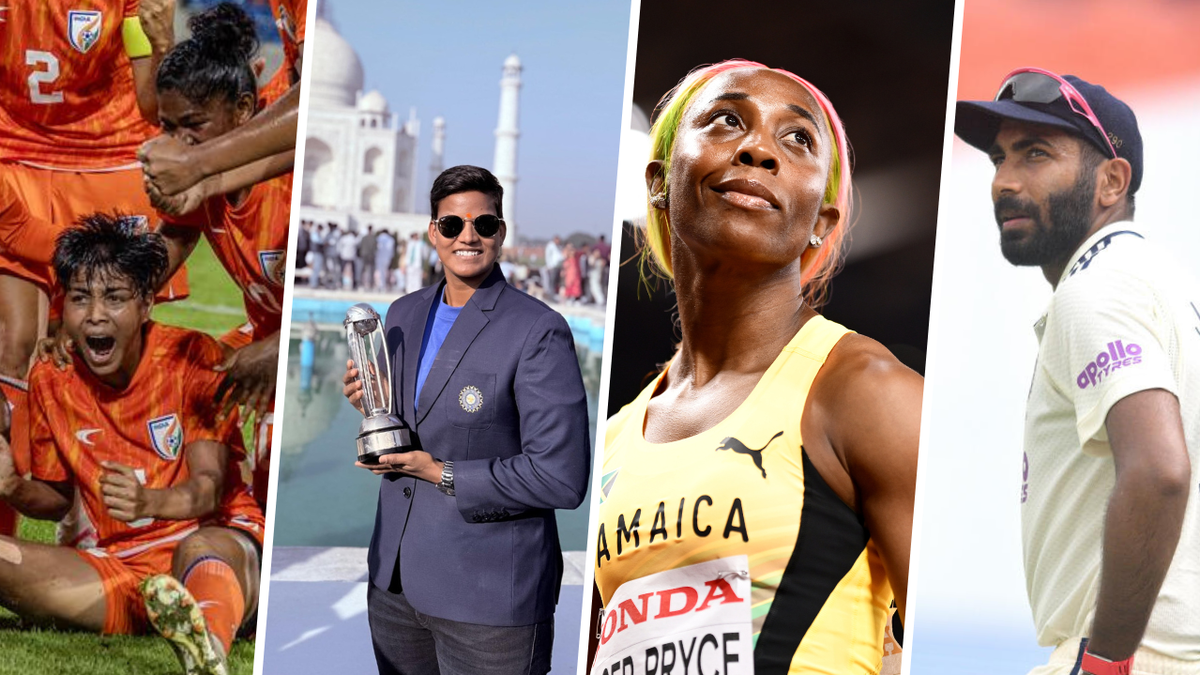
2025 in 25 stories: Best of Sportstar – Editor’s pick
These 25 stories reflect Sportstar’s reporting in 2025, where we travel beyond scorecards and results. They follow elite athletes at key moments, lesser-known competitors negotiating difficult systems, and institutions under visible strain.
From Shelly-Ann Fraser-Pryce reflecting on legacy and motherhood to a delivery executive finding a path into para-athletics, from Indian cricket’s structural questions to women reshaping the sport’s emotional core, the range is wide.
Over the course of the year, we reported from across India and the globe, taking readers to places and contexts we had not ventured into before. These interviews, analysis and ground-level storytelling place performance within broader social, political and structural frames.
Together, they underline our editorial aim to report sport with context, ask clear questions, and stay close to the people who make a difference.
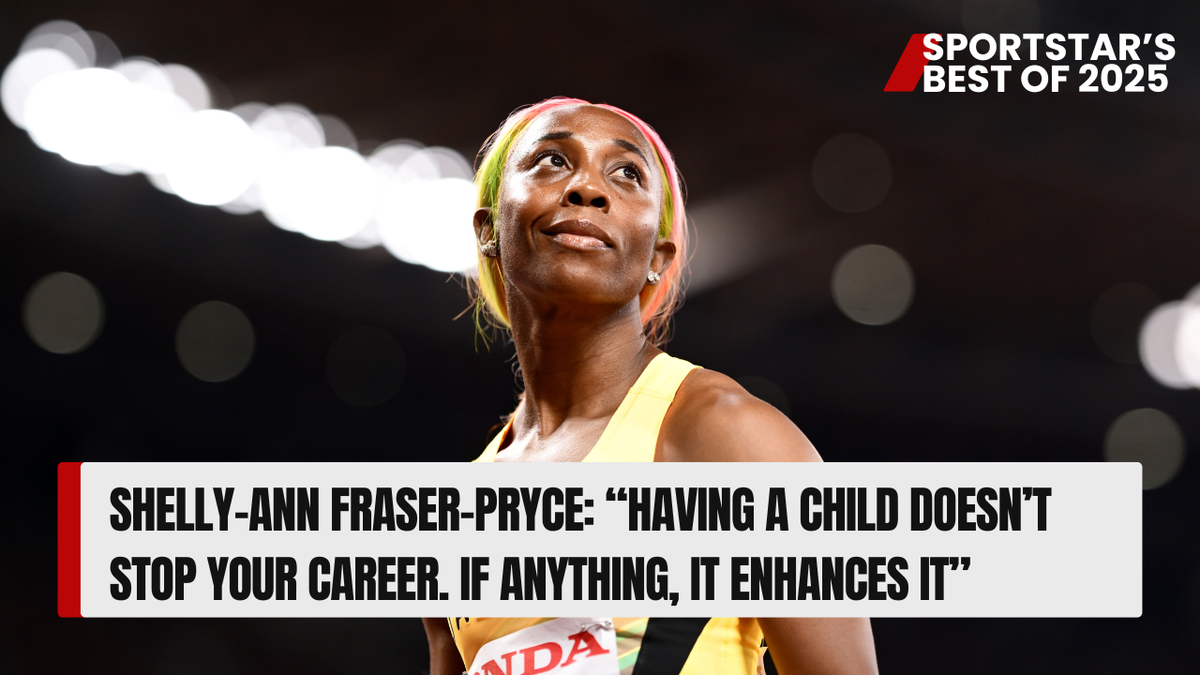
With 26 medals at the World level, Shelly-Ann Fraser-Pryce is perhaps the most accomplished female athlete. The 38-year-old called time on her career earlier this year after competing for the final time at the 2025 World Championships in Tokyo where she won a silver in the women’s 4x100m. These days, Fraser-Pryce is coming to terms with life after retirement.
Fraser-Pryce spoke to Sportstar’s Jonathan Selvaraj about her latest competitor – a parent of her son’s classmate, accidentally inspiring herself while inspiring others and the uniquely Jamaican problems of forgetting where she’s kept some of her world championships medals. READ THE INTERVIEW HERE.

In Para athletics, athletes in the T11 category (completely blind) and the T12 category (those whose visual field is restricted to about ten degrees or who can recognise a hand from less than two metres) routinely need a guide to run alongside them.
These pairs run in step, with the guides using subtle tugs and nudges to keep the runner within their lane. Any pulling or pushing would mean instant disqualification. For runners and their guides, trust is everything. The partnership goes beyond teamwork; it often feels closer to family. Jonathan Selvarajtraced that relationship by speaking to multiple pairings at the World Para Athletics Championship.
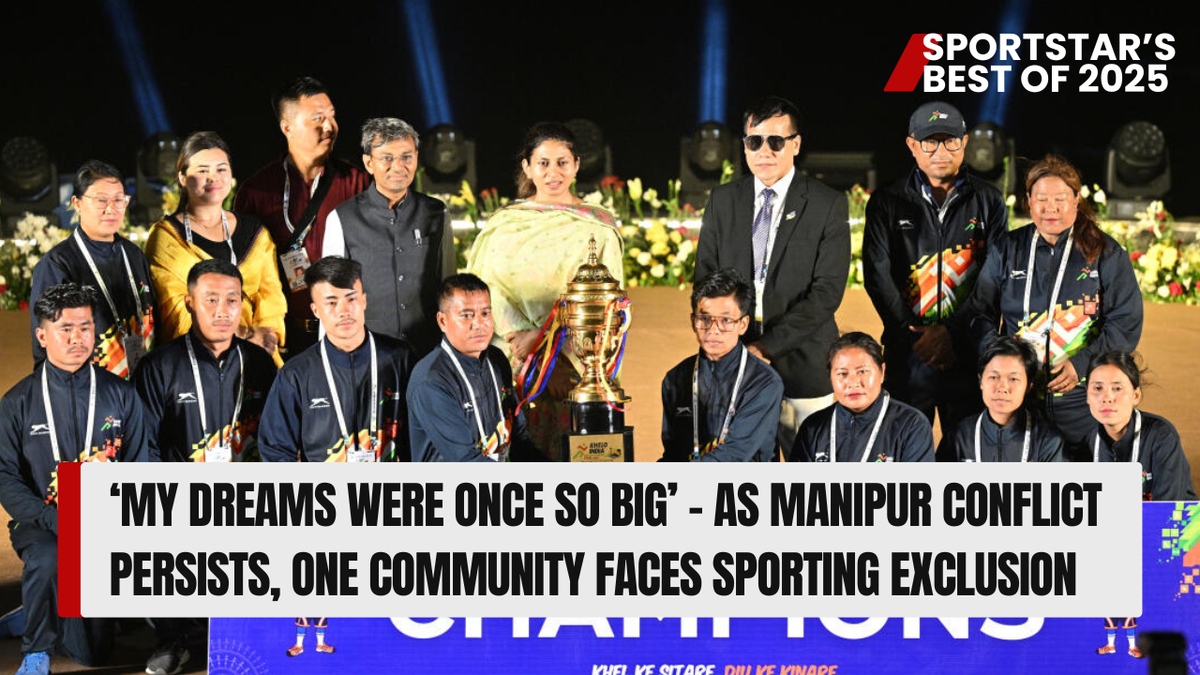
Despite the violence, the state has maintained its reputation as one of India’s most prodigious springs of sporting talent. At the close of the National Games, the state has managed to win 52 medals to place in the top 10 of the medal tally. But while the ethnic conflict has affected all sections of the population – one side has faced an outsized impact. Not a single player of Kuki-zo tribe which comprises some 16 per cent of the states population — was part of the 416-member strong Manipur team at the 2025 National Games in Uttarakhand – although other minority groups including Nagas and Manipuri Muslims are. There was no Kuki-zo representation in the Manipur team at the previous edition in Goa either.
This hasn’t always been the case. Players from the Kuki-zo community have represented Manipur at previous editions of the National Games, particularly in football. Five members of the state football team at the 2022 National Games were from the community. After the breakout of violence though, that didn’t happened. Here is Jonathan Selvaraj’sreport from the sidelines of the National Games in Dehradun earlier this year.
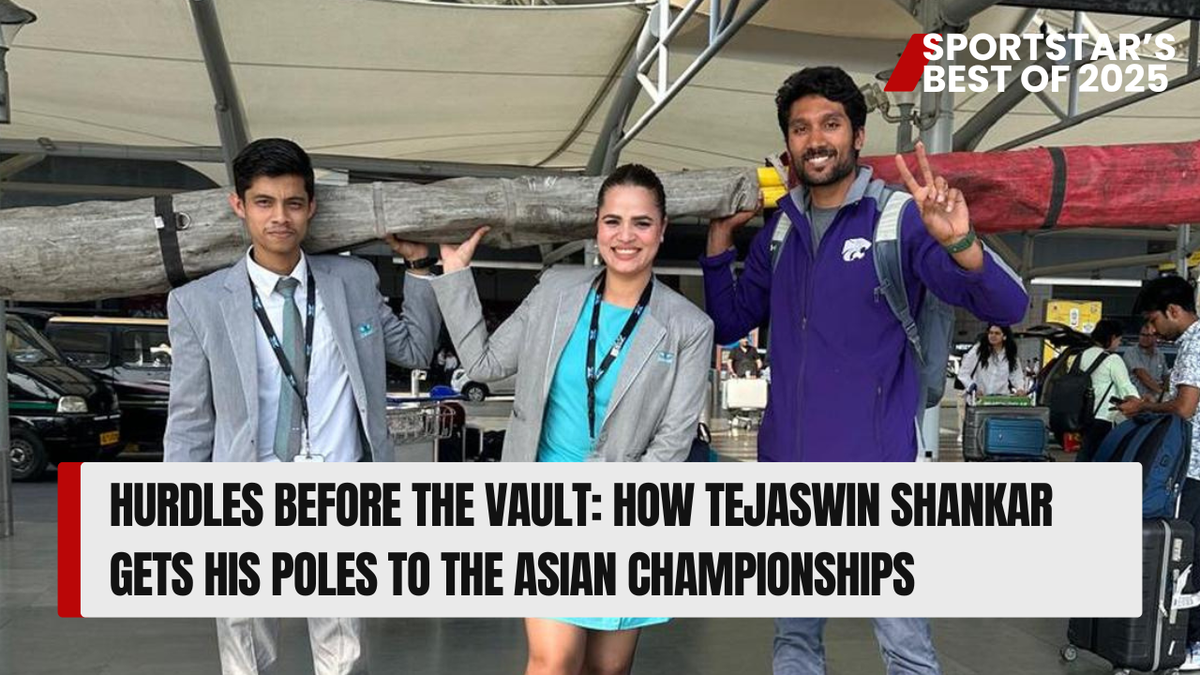
As a decathlete, Tejaswin Shankar usually travels heavy. He brings relatively few clothes, but a lot of specialised kit: different shoes for each event, massage gear, supplements, javelins, a discus, and sometimes his shot put. However, the toughest item to get through the New Delhi International Airport is the pole vault equipment. When he can, the 25-year-old prefers to transport his poles by train, tucking them alongside the overhead fans in the sleeper compartment. That, though, is not an option when he flies. Jonathan Selvaraj spoke to the high jumper-turned-decathlete on his logistical hurdles in pursuing the discipline.
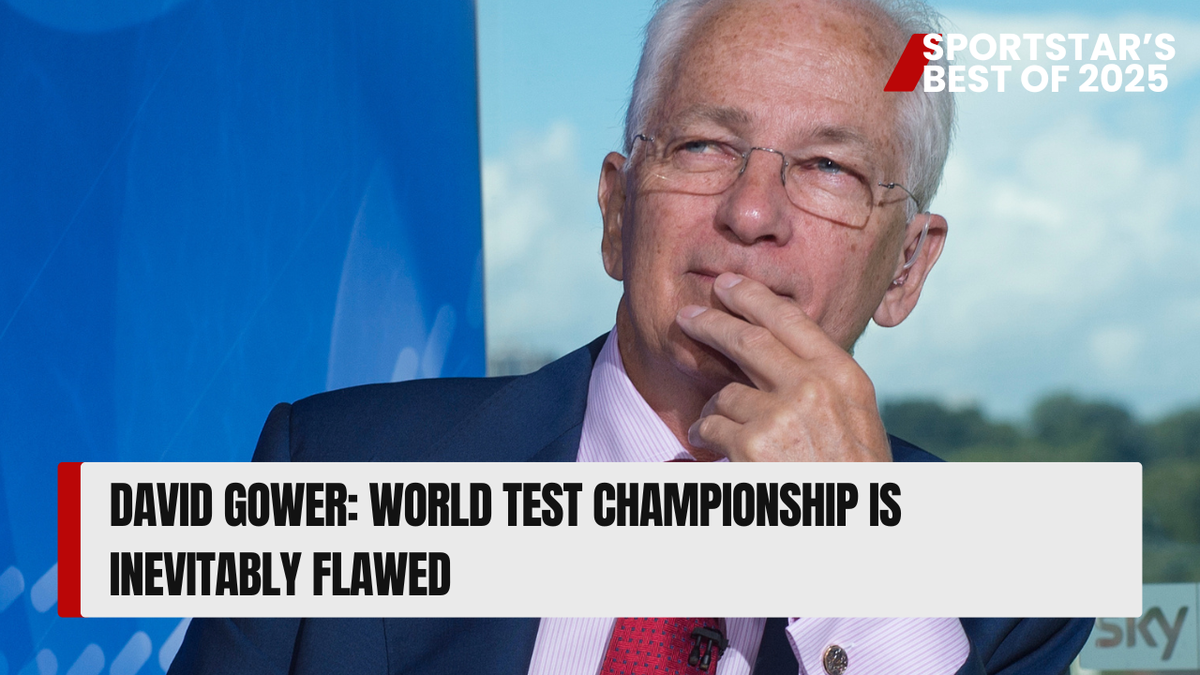
Former England captain David Gower isn’t against Bazball — but he believes Test cricket’s future hinges on something bigger than England’s approach. The Englishman called for the ICC to urgently rethink how it supports its ‘relatively poor’ member nations if the longest format is to survive.
Speaking to Shayan Acharya, Gower weighed in on the ‘inevitably flawed’ World Test Championship, praised Shubman Gill’s early captaincy, and argued that for England, the challenge isn’t to abandon Bazball — but to know when to rein it in. Here is the interview.
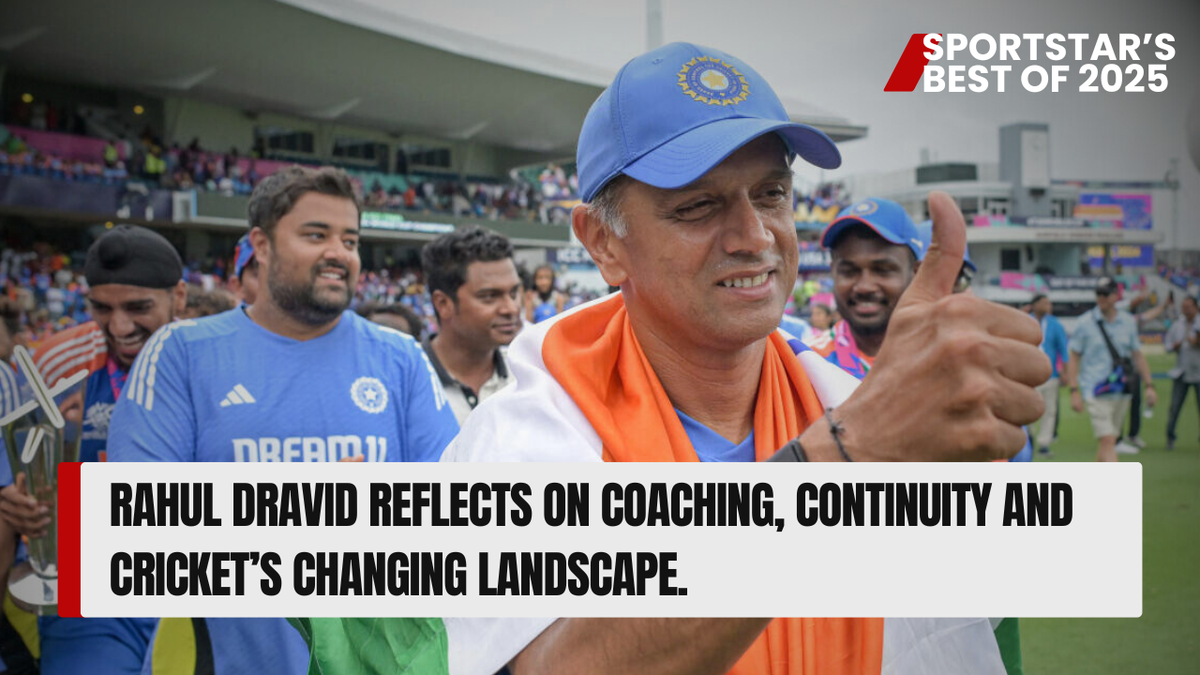
From traditional red-ball cricket to the immense popularity of T20s, Rahul Dravid has witnessed the evolution of the game from close quarters. The former India captain and erstwhile national team coach also returned to Rajasthan Royals as its head coach in the Indian Premier League after a decade. In a chat with Shayan Acharya, he said that it is important to ensure that league cricket ‘coexists’ with international cricket. READ IT HERE.

This exclusive Sportstar investigation traces how a landmark 2019 deal meant to fast-track cricket’s rise in the United States is now threatening the sport’s future there. USA Cricket handed American Cricket Enterprises sweeping commercial control in return for funding, infrastructure and national team support. Six years on, that dependency has curdled into open conflict. USA Cricket issued a breach notice alleging missed stadium deadlines, revenue dilution and governance overreach, while ACE denied wrongdoing and pointed to USA Cricket’s own financial fragility. At the heart of the story is an imbalance of power: a national governing body left reliant on a single private partner for survival, with limited audit rights and autonomy.
With cricket set to debut at the 2028 Los Angeles Olympics, the fallout carries serious consequences, including risks to ICC membership and the sport’s legitimacy in America. What was billed as a billion-dollar growth engine now looks like a governance crisis with global ramifications.Ayon Senguptaand Ayan Acharyabring you this investigation.
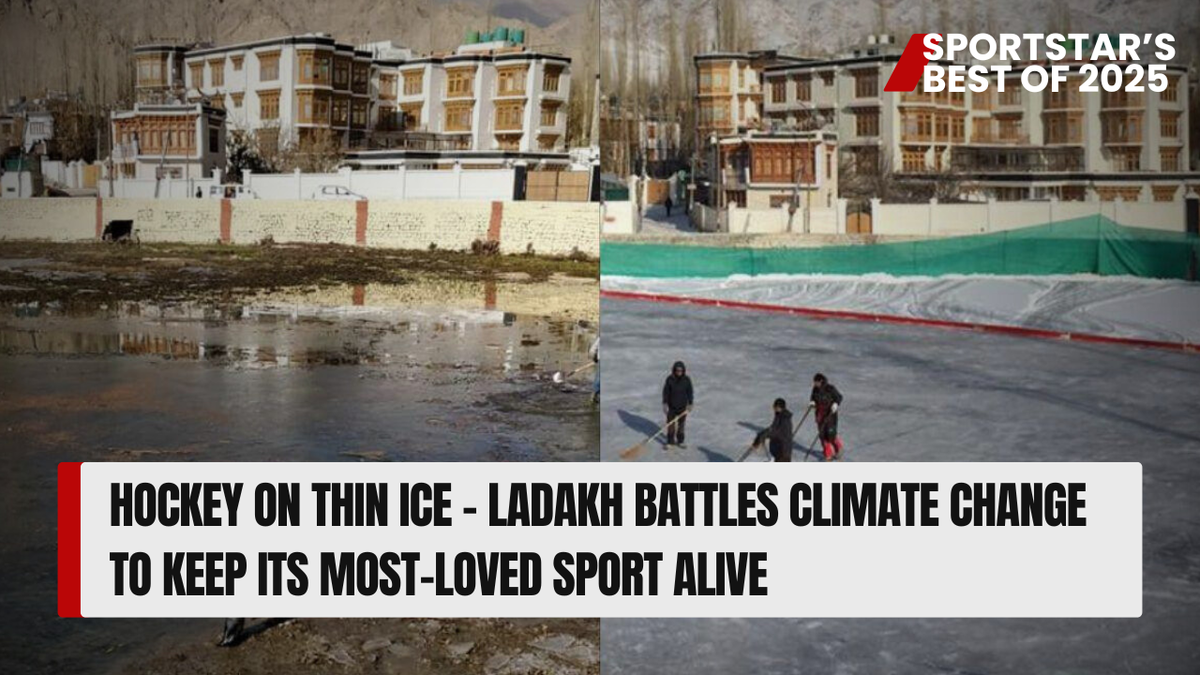
Karzoo in Leh is one of many ponds that have served as potential training grounds for ice hockey in Ladakh.
And a fall in their number along with glaciers disappearing at an alarming rate have made the arid desert a cauldron battling the harshest consequences of global warming. A recent study by Kashmir University’s Geo-Informatics Department revealed that the Zanskar range is losing thickness at a rate of 117 cm per year, followed by the Ladakh range at 46 cm per year.
A sport that once captivated children around Leh and Ladakh now faces the grim prospect of fewer and fewer opportunities to pass on its traditions to future generations. Neeladri Bhattacharjeebrings you this story.
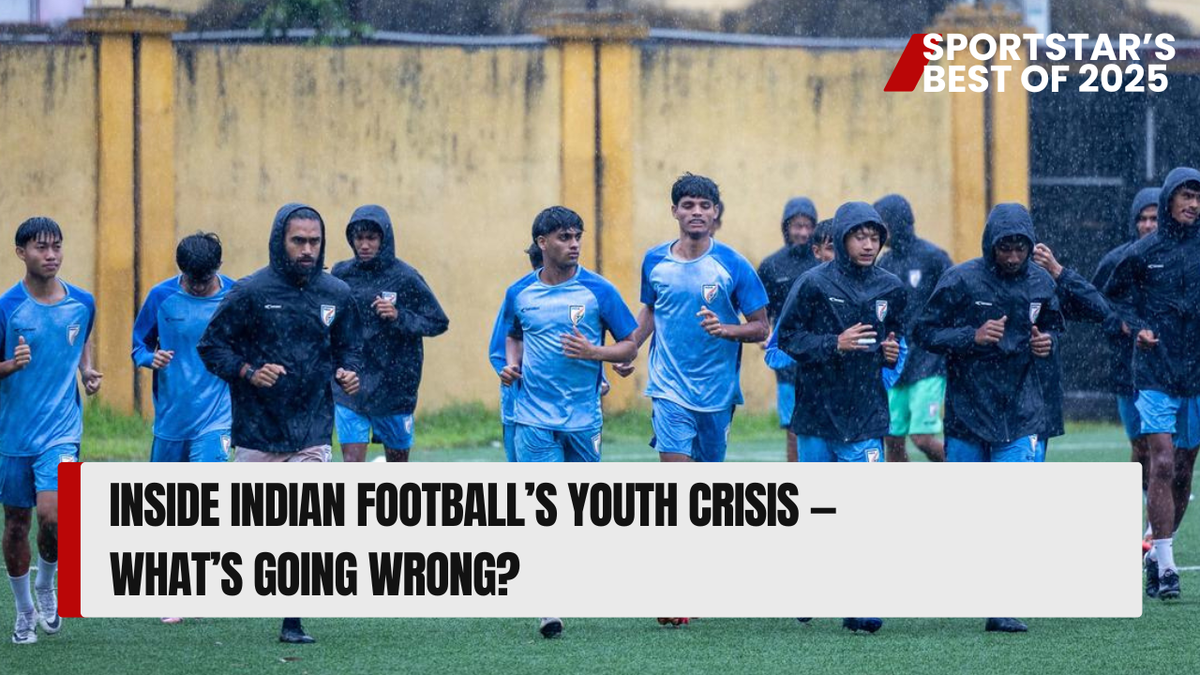
Indian football, once termed the ‘sleeping giant of Asia’, now basks in its reflected glory.
A FIFA ranking outside the top 120, no competitive wins in nearly two years, and a quagmire in the domestic setup — India languishes in one of the darkest chapters of its footballing history.
But is there a way out of the dungeon? There are two ways to go about it from here — use foreign imports of Indian descent for quick success, or strengthen the grassroots to create an assembly line for a better future.
Neeladri Bhattacharjeeunpacks the crisis facing youth development and growth of Indian football in this story.
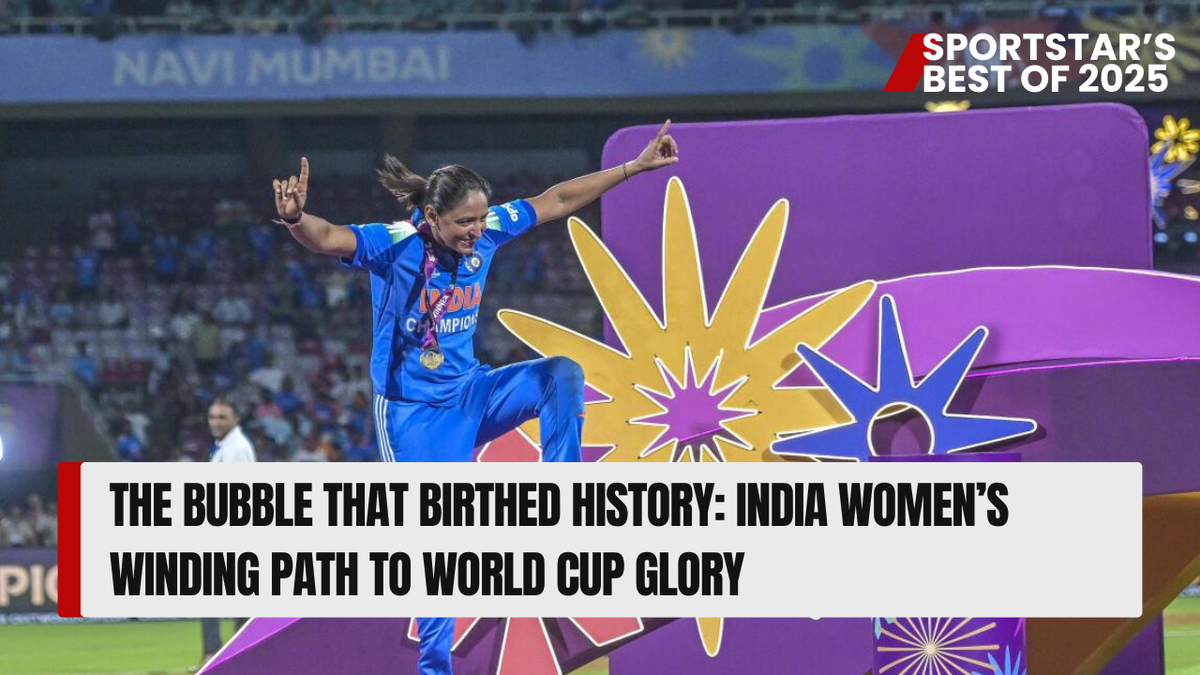
From Amol Muzumdar’s defiant huddle cry to Harmanpreet Kaur’s Kapil Dev-like catch, India’s first Women’s ODI World Cup crown was not a miracle but a culmination of scars confronted, systems rebuilt and faith restored. Lavanya Lakshmi Narayanan sums up years of yearning and two steady years of preparation in this review.

Deepti Sharma likes being feared. She relishes the fact that opponents worry when the ball is handed to her, wary not only of her smart off-spin but also of a potential non-striker run-out. She knows the rules of the game and lords over her opponents. A gun fielding arm is a bonus.
Over 11 years of international cricket, the now 28-year-old has amassed an enviable haul of accolades and records. But nothing, not yet at least, compares to her long-awaited triumph in the 2025 Women’s ODI World Cup, where she finished as the Player of the Tournament. Lavanya Lakshmi Narayanan brings you her story, through the barely explored perspective of her mentor, Rita Dey.
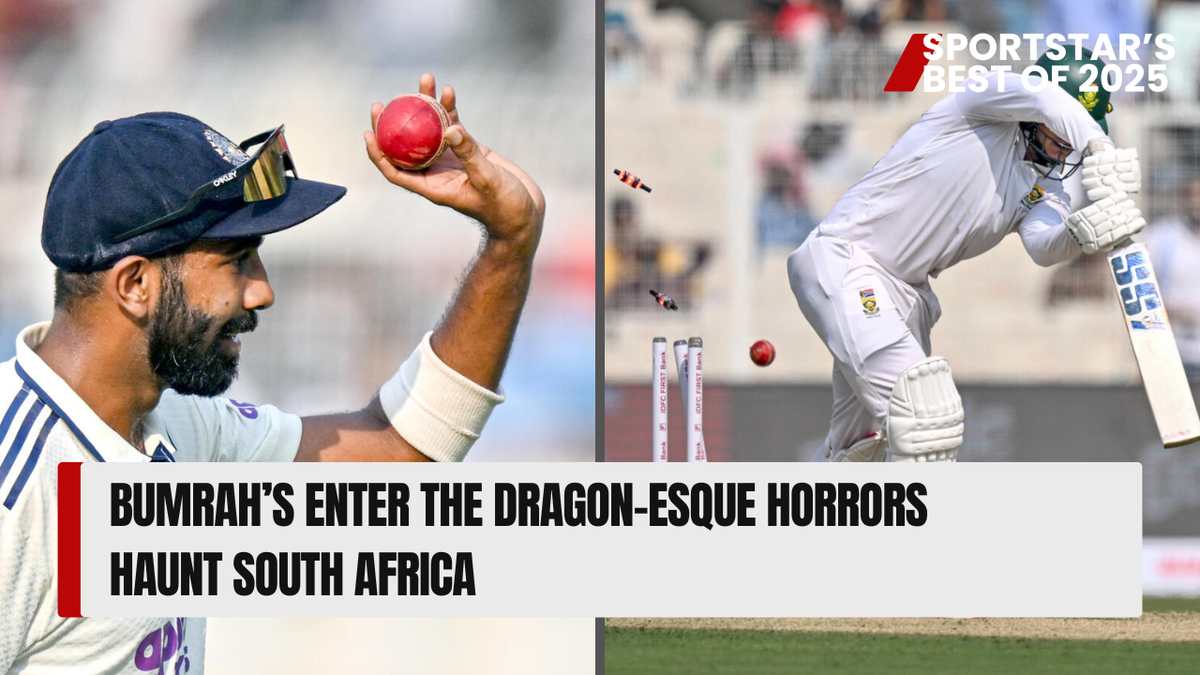
With a bottomless arsenal of variations and a history of employing them with devastating success, Jasprit Bumrah rarely has to put in the effort of sowing the seeds of doubts himself; invariably, the batters do that to themselves.
In the Test series between India and South Africa, the Proteas were haunted, simultaneously, by Bumrah and his manifold hallucinatory reflections – something similar to the iconic mirror sequence from ‘Enter The Dragon’. More in this pieceby Pranay Rajiv.
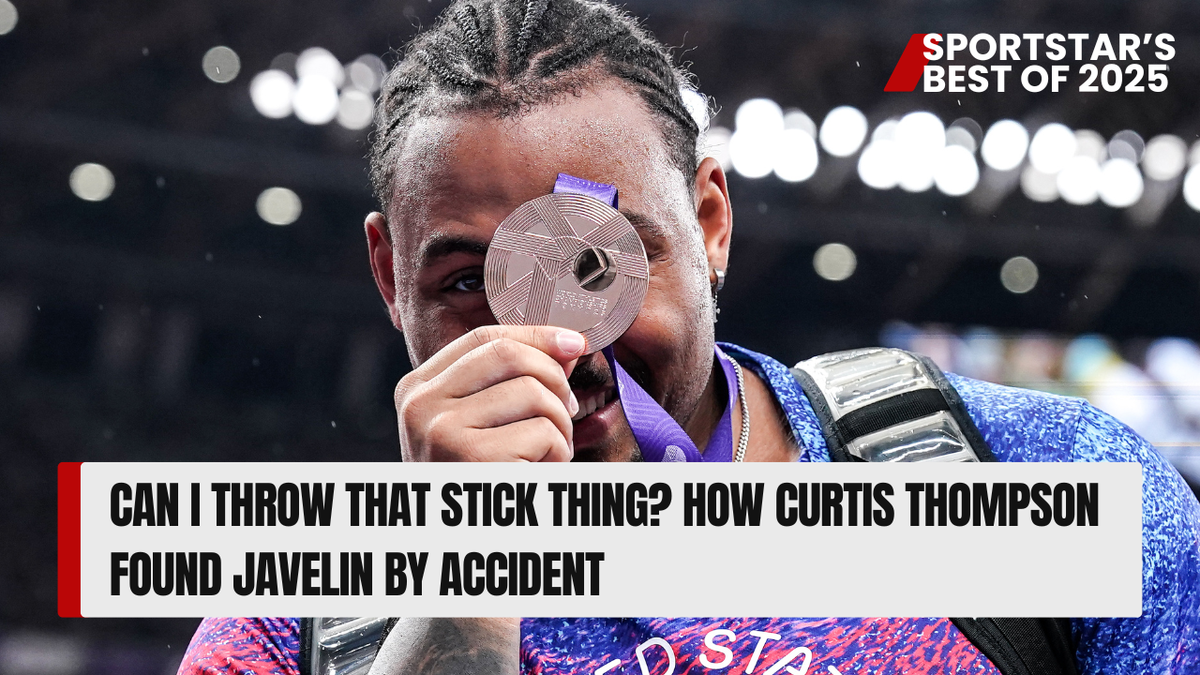
In another life, Curtis Thompson would have been an American footballer.
In an even more unlikely alternate world, where Thompson leaned further into his maternal heritage, he could have been a badminton player — a curious scenario, considering he is a six-foot-tall, 102-kilo American of Jamaican descent.
But in this reality, Thompson thrives as a professional javelin thrower, ranked among the world’s best. Only two Americans have ever thrown farther than Thompson — and many believe he could finally end the nation’s 50-year wait for an Olympic javelin medal. Pranay Rajiv profiles the eccentric American.
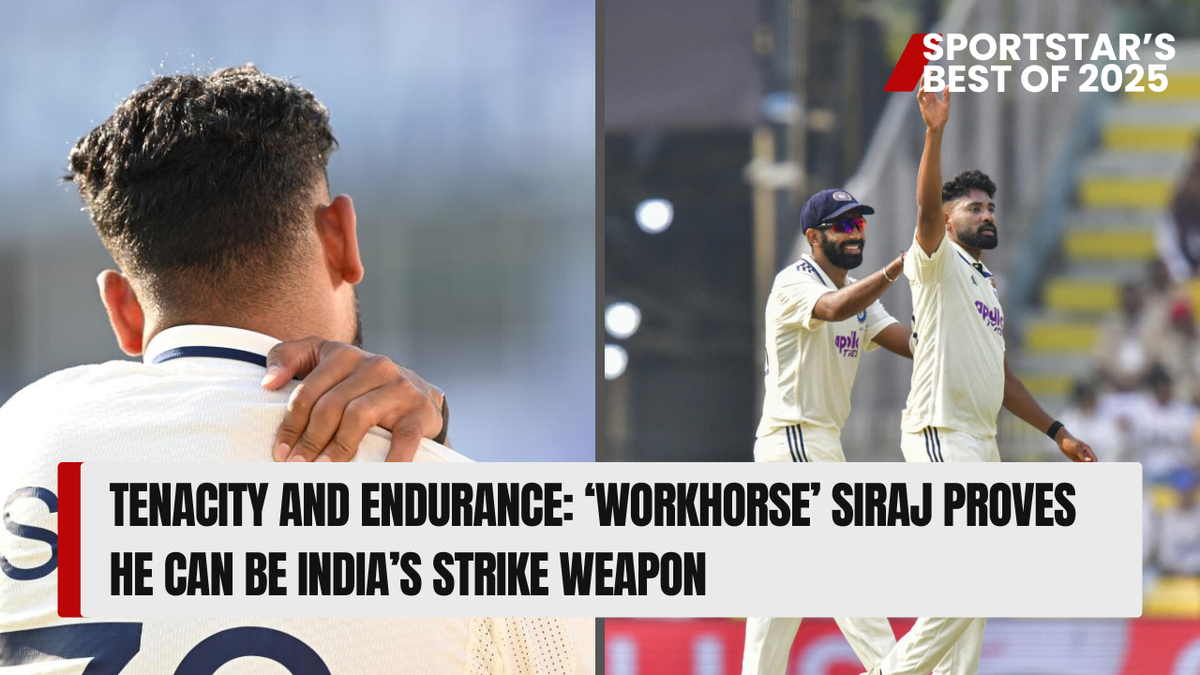
Fast bowling is a precise art, and a surfeit of it can blunt the skill and its efficacy. Fast bowling is also a taxing vocation, and overindulgence can break the human will and body.
But then Mohammed Siraj still bounds in, bowling his 1113th delivery on his 25th day of cricket on a tour lasting a month and a half, and conjures his fifth fastest ball of the entire series, clocked at 143 kmph. It is a full toss, only his second of a match in which he has sent down 279 deliveries, and it flattens the off-stump to give India the narrowest win in its existence as a Test-playing nation.
At a time when the exigencies of multiple formats have made managing workloads a priority for pace bowlers, the ever-present Siraj hasn’t been earmarked for that luxury. Dhruva Prasadexplored the massive responsibility on his shoulders and how the Hyderabad man shouldered it in this piece.
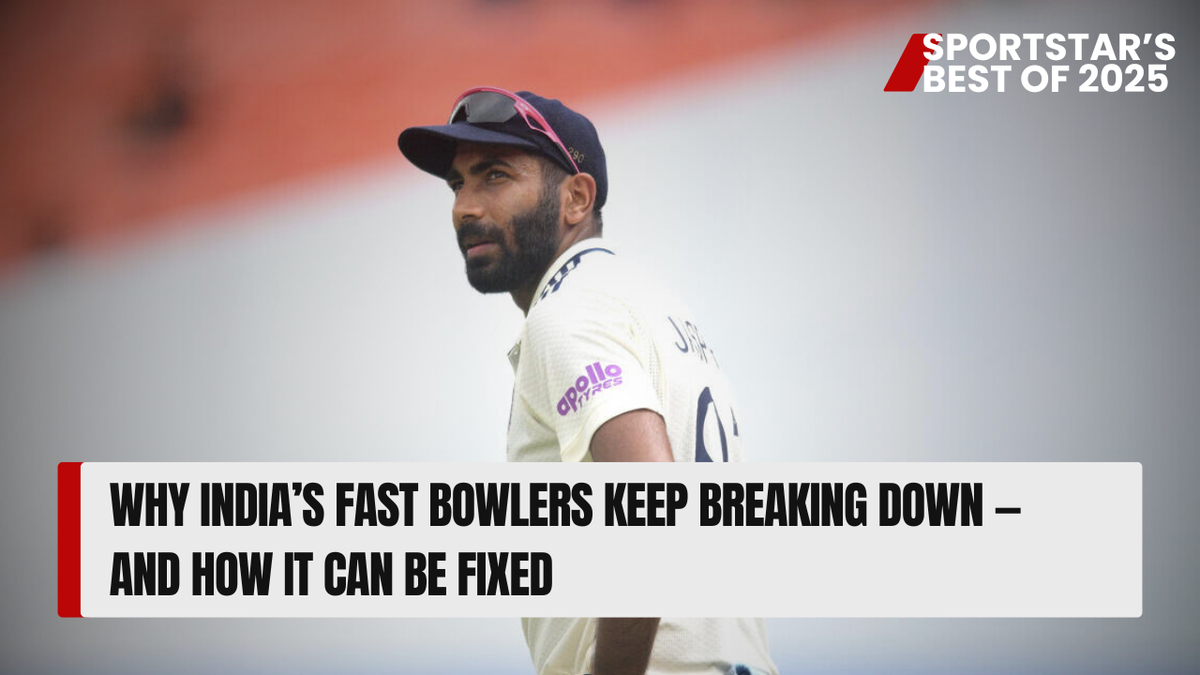
Across 45 days in 2025, Indian speedster Jasprit Bumrah bowled 908 deliveries — not counting those in training. It was later revealed that the pacer had a stress-related lower back injury in the same region where he had an issue that ruled him out for 11 months in 2022–23.
Fast bowling is a high-load activity. Each delivery places several times the force through the lumbar spine. What Bumrah suffered was a lumbar stress injury – a precursor to what’s medically defined as a stress fracture in the lumbar region.
Sahil Mathur exploreswhy India’s fast bowlers breakdown as often as they do, the patterns of mismanagement in recovery that India can and should identify to avoid and more with help from leading experts in the field.
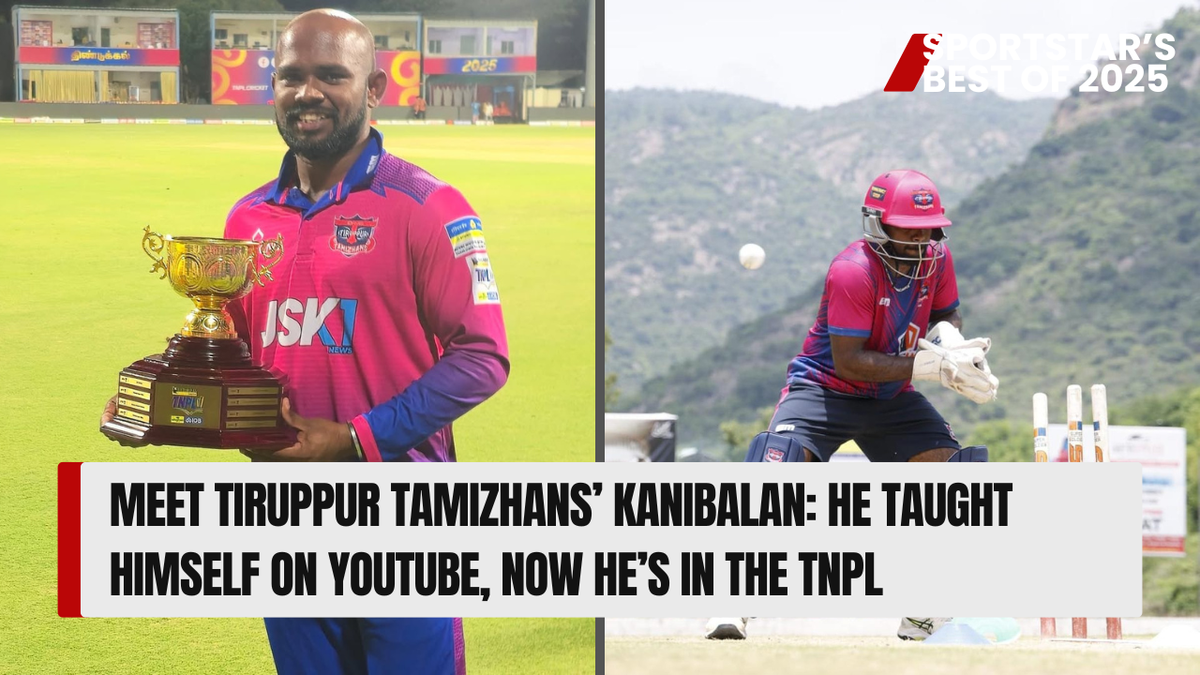
Meet Tiruppur Tamizhans’ Kanibalan – a player who taught himself on YouTube and broke into the Tamil Nadu Premier League.
Kanibalan hustled through fourth-division matches, and trained kids in makeshift nets, Kanibalan built his game while building a following – over 60,000 strong – online.
His story is of missed chances, late breakthroughs, and sheer persistence. For every T. Natarajan or Varun Chakaravarthy the TNPL unearths, there are players like Kanibalan – grinding in the background, waiting for their opportunity. Cricket was always the only constant, even when his life veered into survival mode. He delivered groceries for e-commerce platforms like Swiggy and Zepto after Covid-19 halted his cricketing dreams. Nigamanth Pbrings his story.
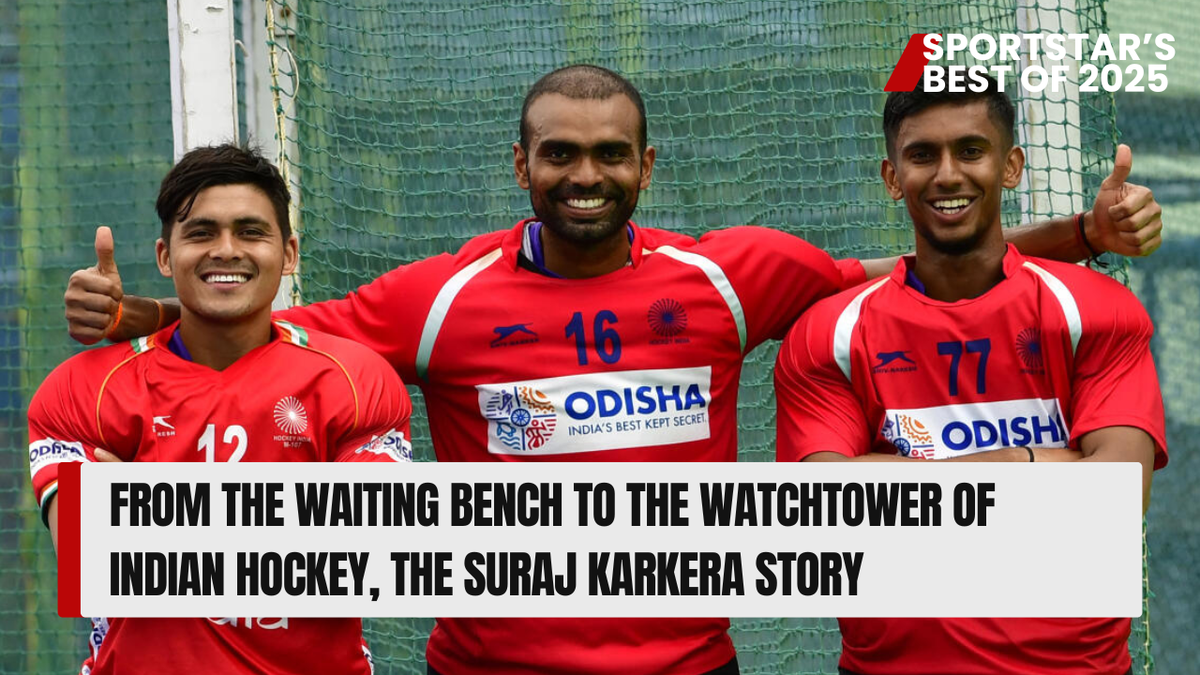
After eight years of battling on the fringes, Suraj Karkera has finally secured his place in the Indian men’s team — a testament to his tenacity and the sacrifices that defined his journey.
It has not been easy for the 29-year-old. Despite being part of the core group for much of the past decade, he was third in line behind the legendary P. R. Sreejesh and Krishan Pathak. With only two goalkeeper spots in an 18-member international squad — and just one at the Olympics — Karkera was often sidelined during major tournaments. Saikat Chakrabortytraces his journey from the sidelines to the first team.
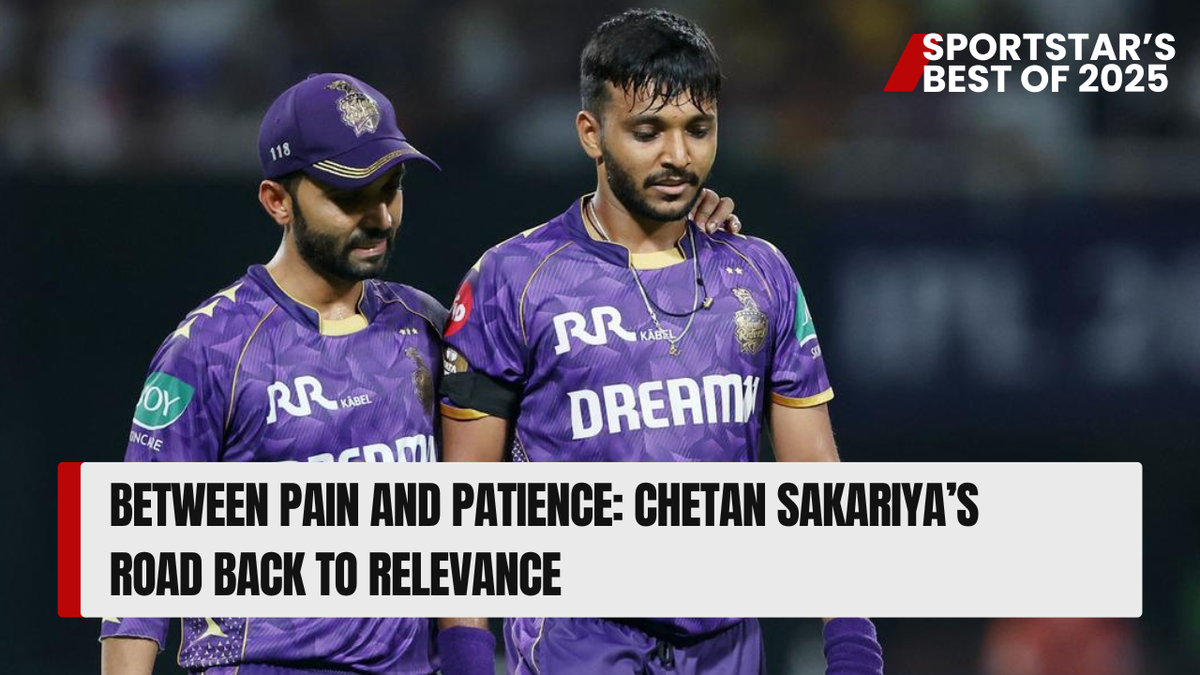
Fame is a fickle friend, and nobody knows it better than Sakariya. In 2021, he was IPL’s latest wonderkid, bursting onto the scene with 14 wickets for Rajasthan Royals. When the Delhi Capitals signed him for Rs. 4.2 crore in the next season’s mega auction, he became the quintessential rags-to-riches story which the world’s grandest T20 tournament prides itself on.
Sandwiched between the two seasons were Sakariya’s India debuts in One-Day Internationals and T20Is during the Sri Lanka tour.
However, he was dealt a cruel hand when DC picked him for just five games over the next two seasons. There were no more India call-ups either, and the injury in 2024 meant Sakariya’s career was pushed towards cricketing oblivion. Along expected lines, Sakariya went unsold at last year’s mega auction. He was living his nightmare. It was worse because he saw it coming. Abhishek Sainispoke to the left-arm pacer on injury, self-doubt, and his unlikely IPL return in a year he thought he wouldn’t play cricket at all.
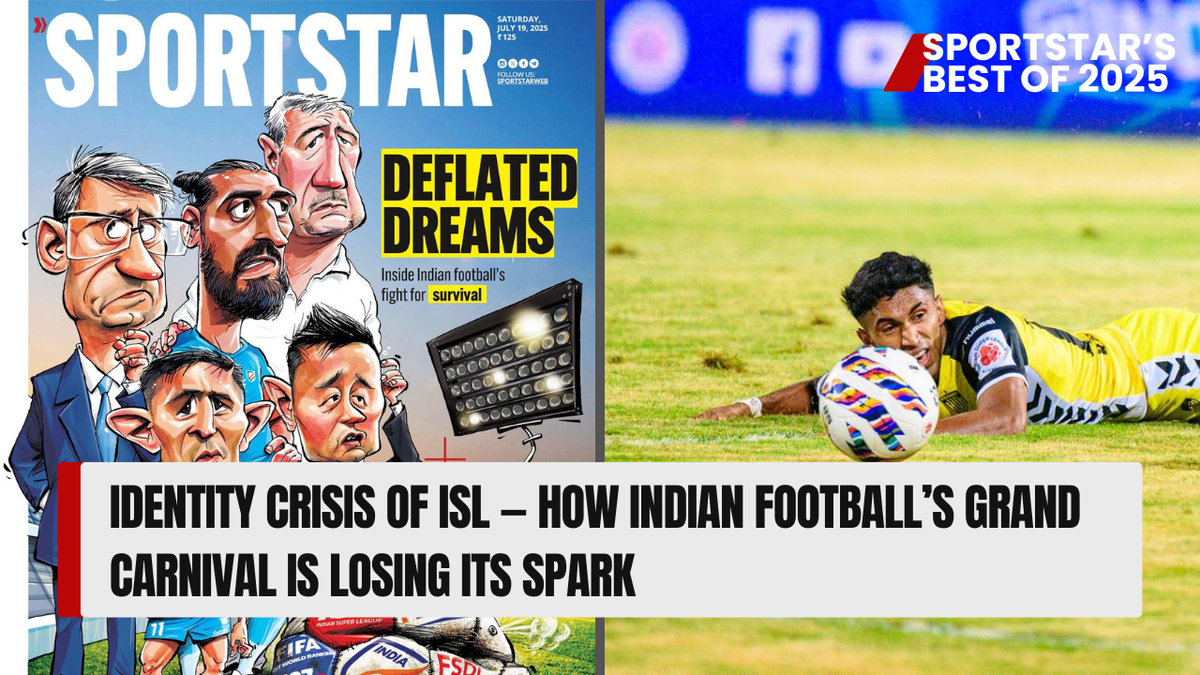
The launch of the Indian Super League in 2014 was meant to elevate the profile of the sport in the country. And for a fleeting period, the hype was real. Leading — albeit ageing — football stars from the 1990s and 2000s, and a mix of Indian cinema and cricket, helped establish an entertaining product.
The three-month-long competition, which wasn’t recognised by the Asian Football Confederation (AFC) then, proved to be an instant hit.
But once the novelty factor wore off and the glitz was stripped away, the league struggled to reach the heights of its initial years. While the ISL brought about improved standards and professionalism, the popularity of the league has dwindled after 11 seasons. Aashin Prasadplots the meteoric rise and equally spectacular combustion of the ISL.
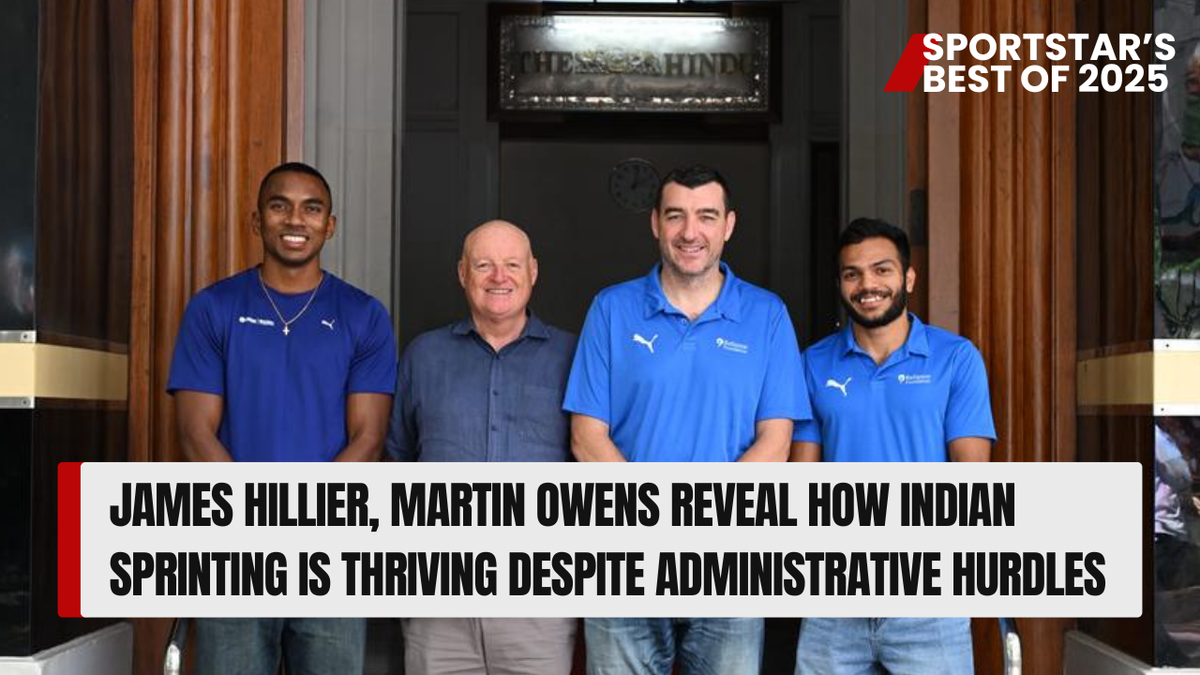
Sprinters Animesh Kujur and Manikanta Hoblidhar and coaches Martin Owens and James Hillier visited The Hindu’s Chennai Headquarters for a deep-dive into India’s sprinting revolution. In a more than an hour-long conversation, the quartet spoke about administrative struggles facing athletics in India.
Hillier even called out the lack of consistency in decision-making after rules were bent to allow lower-level athletes into the Inter-State roster. He expressed dismay at elite athletes having to run three rounds at national events due to the bloated participant list, which could result in overuse injuries. Anish Pathiyilsums it all up in this piece.
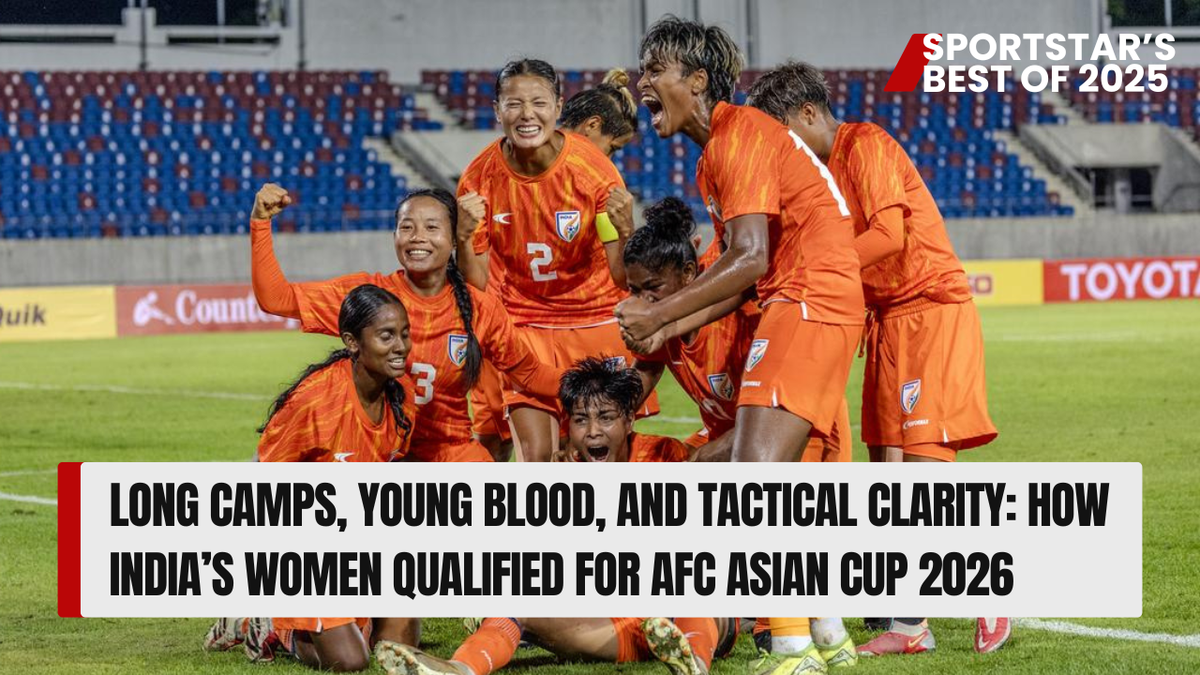
After years of dealing with a sense of apathy from stakeholders, cases of alleged harassment, and the Indian Women’s League (IWL) being little more than an afterthought, the Indian women’s national football team has quietly qualified for next year’s AFC Women’s Asian Cup.
This is the first time that the Blue Tigresses have made it to the continental tournament through the qualification route. In 2003, qualifiers did not exist. In 2022, India made it to the tournament as the host.
The Crispin Chettri-coached squad topped Group B after an unbeaten qualifying campaign, which included dominant wins over Mongolia (13-0), Timor Leste (4-0), and Iraq (5-0), before grinding out a decisive 2-1 win against higher-ranked Thailand.
Rajdeep Sahatraces a milestone that’s been three years in the making for Indian football.
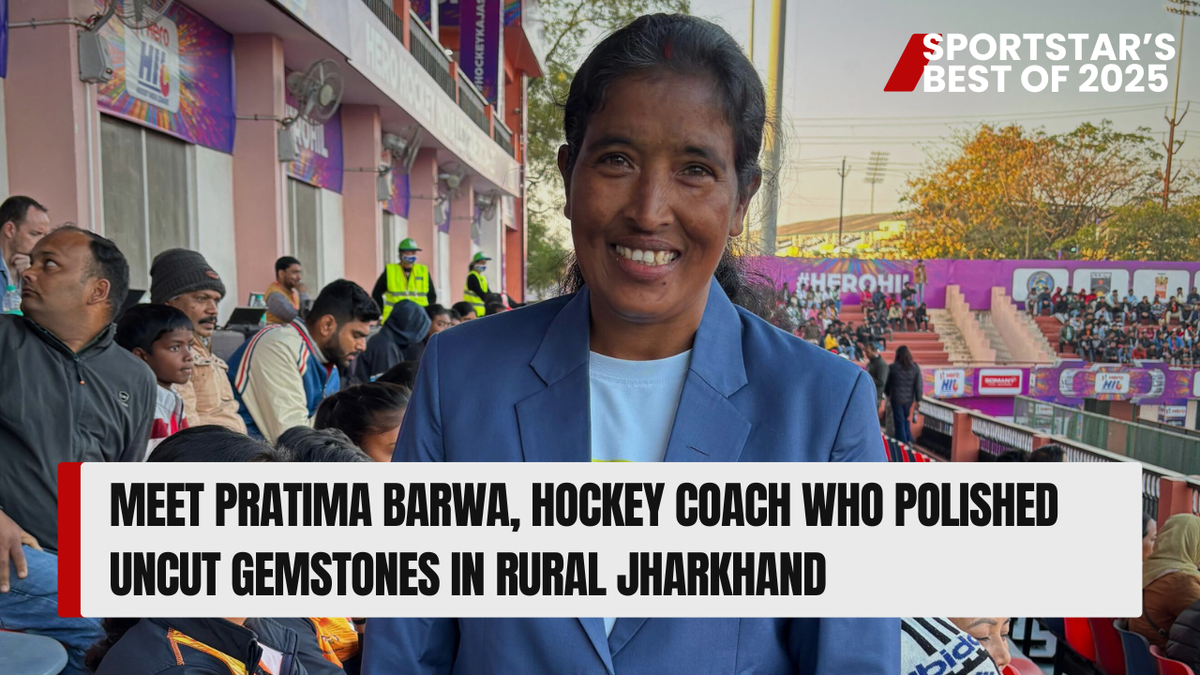
This is a story of resilience and perseverance. When a knee injury in 1995 cut short Pratima Barwa’s journey towards becoming an India hockey player, she took up coaching.
In Simdega, a rural district around 135km south of Ranchi, the 45-year-old trained Salima Tete, Sangita Kumari and Beauty Dungdung. All of them went on to become Indian hockey superstars.
Just when everything was seemingly falling in place, Pratima contracted the coronavirus. Even before she could recover completely, a form of partial paralysis saw her pick up a speech disorder.
Pratima passed a while after this profile storyby Santadeep Deywas published.
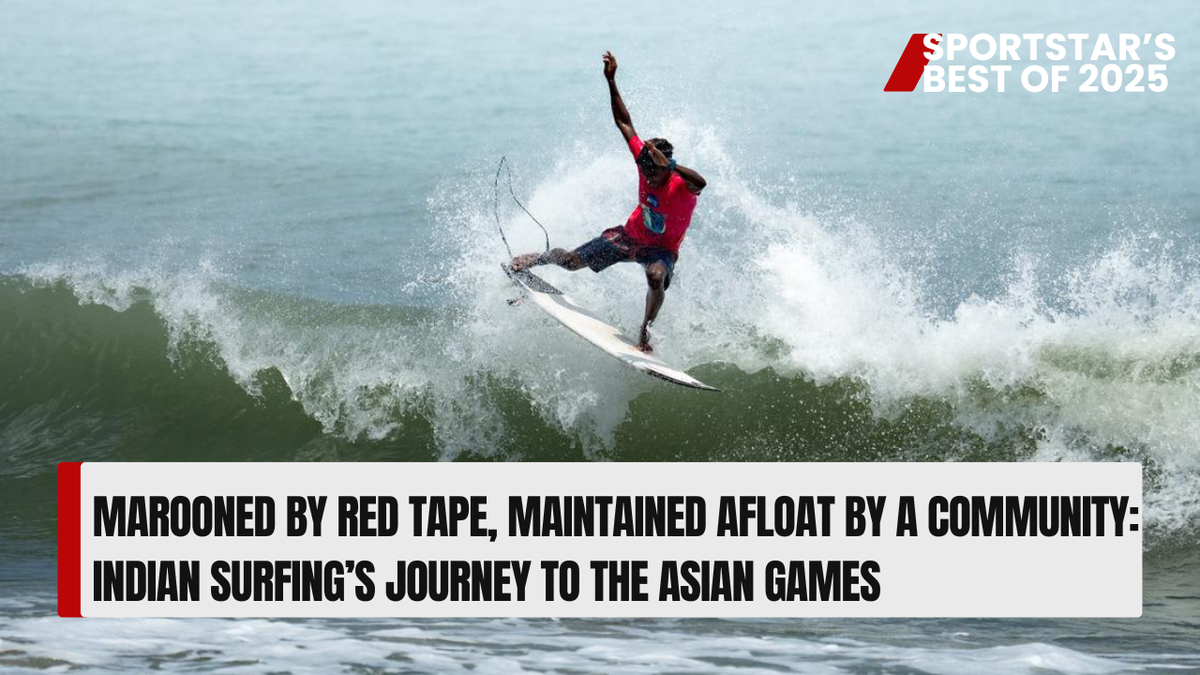
For years, SFI operated in choppy waters, conducting scattered competitions, issuing certifications and nurturing small pockets of surf communities along both coasts. But, without formal recognition from the Sports Authority of India (SAI), it lacked the legitimacy and institutional support it needed to scale.
The bureaucratic hurdle stood in the way of greater potential, but never hindered the surfing fraternity from carrying out their mission. It would take nearly a decade – and a pandemic – for momentum to shift.
And when it did, the tide truly turned. Kavita Menontraces how far Indian surfing has come over the years.

Win or lose, they come after you. The general consensus amongst the players competing at the Chennai Open, a WTA 250 event, this year is that their social media is filled with hateful comments and abuse from angry bettors after a match regardless of the result. Nihit Sachdevacaught up with players to understand their experiences, guardrails in place if any and more.
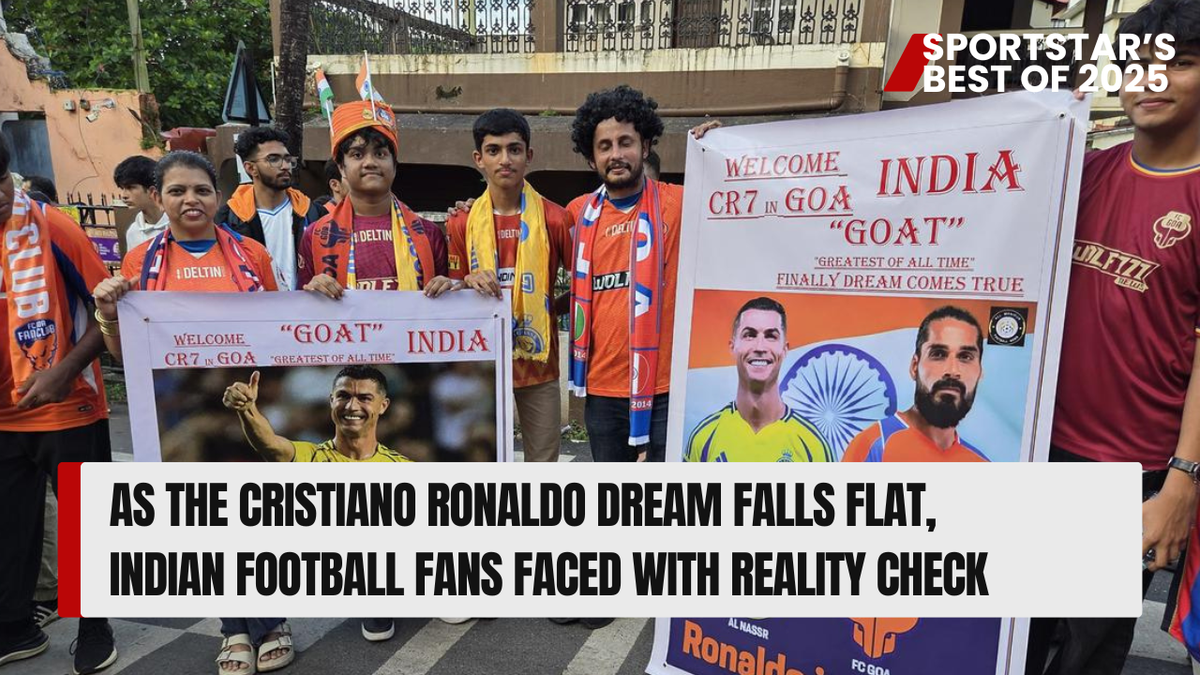
In Goa, football dominates. It’s one of the few places where the ‘beautiful game’ triumphs in a country where cricket enjoys the lion’s share of fanfare, spotlight, and generates more revenue alone than all other sports combined.
But does the modern fan have a love for the game in general, or for certain individuals who play the sport? The ‘Superstar culture’ is prevalent everywhere in the modern game, and Aneesh Deybore witness to it even in the football-crazy state of Goa.
These are the editor’s top 25 stories where we’ve tried to cover as many stories from our dedicated team of reporters. If you liked a story that’s not on this list, do share them on social media and tag us. We wish 2026 brings us as many, if not more, sports stories to document and dive into and hope you will join us for the ride. Happy New Year!
Published on Dec 28, 2025